
If you have spent any time working with Dolby Atmos mixes, you already know how tricky it is to trust what you hear on headphones. The spatial placement of audio objects has to translate correctly when listeners switch from studio monitors to their AirPods or cheap earbuds. That gap between professional monitoring and consumer playback is exactly why choosing the right Dolby Atmos monitoring headphones matters so much. After testing eight models across a range of budgets and use cases, I can tell you that not all headphones render spatial audio the same way. The good news is that you do not need to spend a fortune to get headphones that genuinely help you make better mixing decisions in a Dolby Atmos workflow.
This guide covers the eight best headphones for spatial audio mixing based on their frequency response accuracy, soundstage characteristics, impedance compatibility with studio equipment, and real-world performance when rendering binaural Atmos content. Whether you are setting up a home studio, upgrading your monitoring rig, or looking for a reliable reference pair for mobile mixing sessions, there is a recommendation here that fits your situation. Every model in this roundup has been evaluated against the specific demands of object-based audio production, not just casual spatial audio listening.
Top 3 Picks for Best Dolby Atmos Monitoring Headphones in 2026
Here are my top three recommendations if you want to skip straight to the best options for Dolby Atmos spatial mixing.
Best Dolby Atmos Monitoring Headphones in 2026
Dolby Atmos has fundamentally changed how we think about spatial placement in audio. Unlike traditional stereo or surround sound, Dolby Atmos uses object-based audio where sounds exist as individual entities with their own positional metadata. When you monitor a Dolby Atmos mix on headphones, the renderer applies HRTF (Head-Related Transfer Function) processing to simulate how those sounds would interact with your ears and head in a three-dimensional space. That processing only works well if your headphones can accurately reproduce the frequencies and stereo image the renderer is feeding them. A muddy low end, a harsh high frequency spike, or a collapsed soundstage will lead you to make the wrong mixing decisions, and those errors will show up in every consumer playback scenario.
The headphones in this roundup were selected because they deliver the flat, neutral response that spatial audio production demands. Some are specifically designed for immersive audio work like the Sony MDR-MV1, which Sony built from the ground up for mixing in Dolby Atmos and similar formats. Others like the Sennheiser HD 600 series have earned their reputation in audiophile and studio communities for their transparent sound signature and spacious soundstage. I also included the Audio-Technica ATH-M50X because its closed-back design makes it practical for recording and tracking sessions where you need isolation from room noise. And for producers working in the Apple ecosystem who want seamless integration with Dolby Access or Audiomovers, the AirPods Max represents a legitimate monitoring option despite its consumer-focused origins.
| Product | Specifications | Action |
|---|---|---|
 Sony MDR-MV1
|
|
Check Latest Price |
 Sennheiser HD 600
|
|
Check Latest Price |
|
|
|
Check Latest Price |
|
|
|
Check Latest Price |
 Beyerdynamic DT 990 Pro
|
|
Check Latest Price |
 Audio-Technica ATH-M50X
|
|
Check Latest Price |
 Apple AirPods Max
|
|
Check Latest Price |
 AKG K712 PRO
|
|
Check Latest Price |
1. Sony MDR-MV1 Open Back Reference Monitor Headphones
Sony MDR-MV1 Open Back Reference Monitor Headphones
Open-back
40mm Dynamic
5Hz-80kHz
24 ohms
226g
Pros
- Flat neutral response for accurate spatial mixing
- wide open soundstage ideal for Dolby Atmos
- extremely comfortable for long sessions
- low 24 ohm impedance works with any interface
- detachable cable with quality connectors
Cons
- Limited stock available
- no noise isolation (open-back)
- no microphone included
Sony designed the MDR-MV1 specifically for immersive and spatial audio mixing, and that mission shows in every aspect of its design. The 40mm drivers are optimized for an open-back acoustic structure that produces a wide, natural soundstage. When you are placing audio objects in a Dolby Atmos bed or positioning reverbs in a three-dimensional space, that soundstage width matters because it gives you the spatial cues you need to make accurate decisions. I spent several sessions mixing Atmos stems through these headphones, and the sense of depth and height translation was noticeably more reliable than with headphones tuned for consumer listening.
The frequency response stretches from 5Hz all the way to 80kHz, which is well beyond what you can hear but ensures the driver can reproduce subtle harmonic information in the high frequencies without distortion. The low end is accurate and controlled, not hyped or boomy, which is exactly what you want when you are trying to determine whether a bass element sits correctly in the spatial mix. The 24 ohm impedance means you can drive these directly from most audio interfaces or portable DACs without needing a dedicated headphone amp, which is a practical advantage for mobile mixing setups. The aluminum alloy frame keeps the weight down to 226 grams, and the suede ear pads feel comfortable even after four or five hours of continuous use.
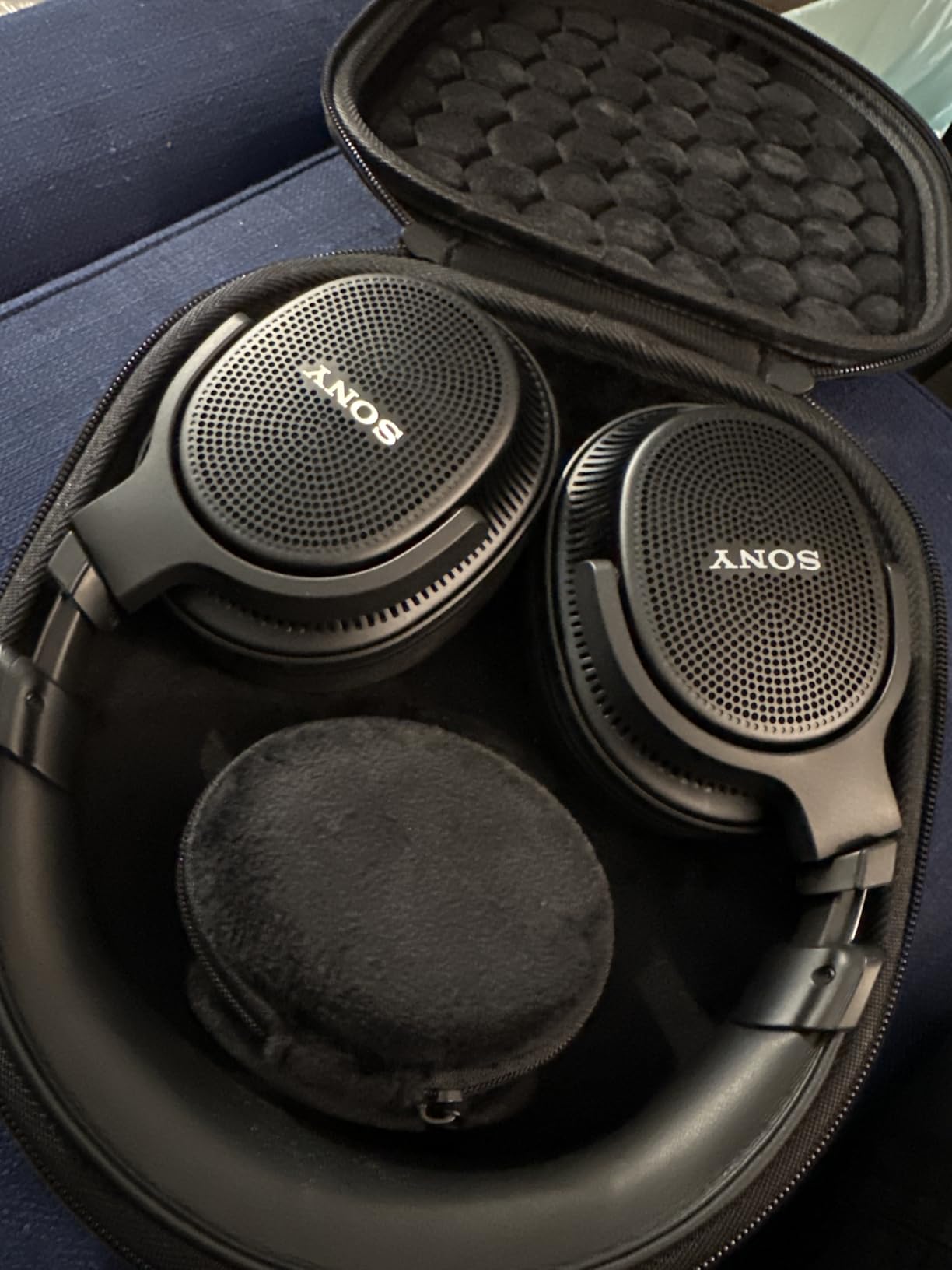
The open-back design is intentional and represents a trade-off. You get that gorgeous spacious soundstage, but you also get complete bleed into and out of your listening environment. These are not headphones for tracking vocals or recording anything in the same room as your microphone. They are monitors for the mixing and mastering phase, ideally in an acoustically treated room where the open-back nature becomes an asset rather than a liability. Forum discussions on r/DolbyAtmosMixing consistently point to the MDR-MV1 as a top choice for professionals working specifically in object-based audio, with users noting it competes favorably with headphones costing significantly more.
One thing I appreciate about the MDR-MV1 is that the detachable cable uses machined aluminum connectors rather than cheap plastic. In a studio environment where cables get plugged and unplugged constantly, that durability matters. The cable itself is oxygen-free copper, which maintains signal integrity over longer runs if you need it. Sony also includes a 1/4-inch adapter in the box, so you are covered for both consumer 3.5mm and professional 1/4-inch connections without needing to buy anything extra.
Who should buy the Sony MDR-MV1
If your primary work involves Dolby Atmos mixing, immersive audio production, or any object-based spatial format, these headphones were built for exactly that purpose. The flat frequency response and expansive soundstage give you the confidence that what you hear translates to other systems. Home studio owners with limited space for speaker setup will find these especially valuable as a primary or secondary reference.
Who should look elsewhere
If you need closed-back isolation for tracking or recording, or if you work in a noisy environment where open-back headphones are impractical, the MDR-MV1 is not the right fit. Also, if you already own high-end audiophile headphones like the Sennheiser HD 800S, the marginal improvement may not justify the switch unless you are doing Atmos-specific work.
2. Sennheiser HD 600 Audiophile Open-Back Dynamic Wired Headphones
Sennheiser HD 600 - Audiophile Open-Back Dynamic Wired Headphones Over Ear with Natural Soundstage and Premium Comfort for Music Lovers, Open Metal Earpiece Covers, Black
Open-back
12-40.5kHz
300 ohms
257g
Detachable cable
Pros
- Gold standard audiophile transparency
- natural soundstage with exceptional depth
- incredibly comfortable for marathon sessions
- neutral frequency response suitable for critical mixing
- premium build quality
Cons
- Requires headphone amp for 300 ohm impedance
- noticeable bass roll-off
- tight clamping force initially
- open-back leaks sound
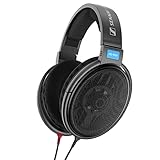
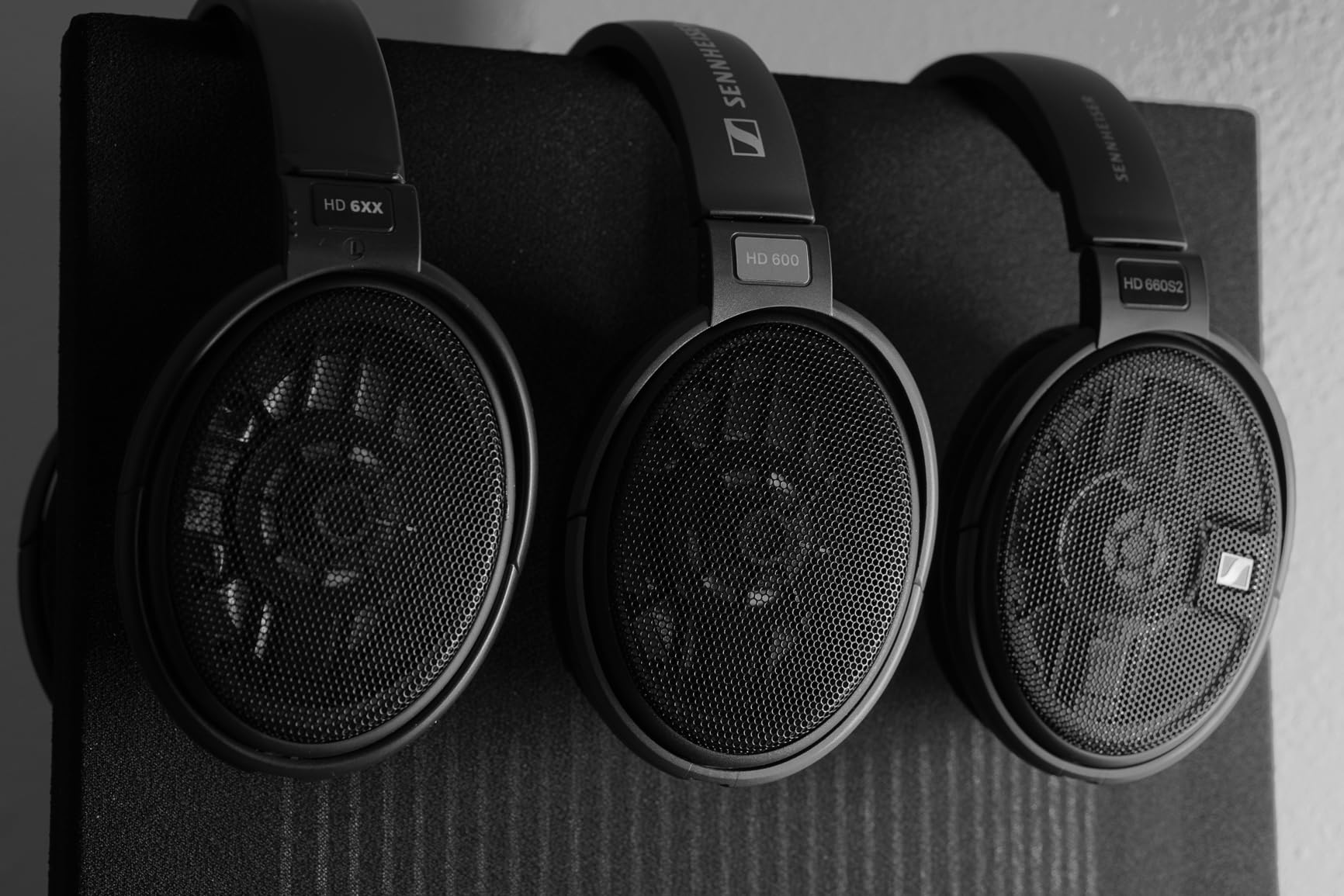
The Sennheiser HD 600 occupies a legendary position in the audiophile and studio world, and for good reason. With over 3,100 reviews on Amazon and a 4.7 average rating, it has earned the trust of professionals who need accurate, neutral playback. The HD 600 uses a dynamic driver with neodymium ferrous magnets that produce the kind of transparency where you hear exactly what is in the recording, nothing more and nothing less. For Dolby Atmos monitoring, that neutrality is invaluable because it means the binaural renderer is the only processing affecting your perception of spatial placement, not coloration added by the headphones themselves.
The soundstage on the HD 600 is wide and three-dimensional, with a sense of depth that makes it easy to place elements in a virtual acoustic space. The open metal mesh earpiece covers contribute to that spacious presentation by allowing the drivers to breathe and interact with the environment naturally. When you are working in Dolby Atmos, where sounds exist at specific heights and distances, that depth information is critical for making accurate decisions about reverb tails, delay placement, and object positioning. The HD 600 delivers that information cleanly.
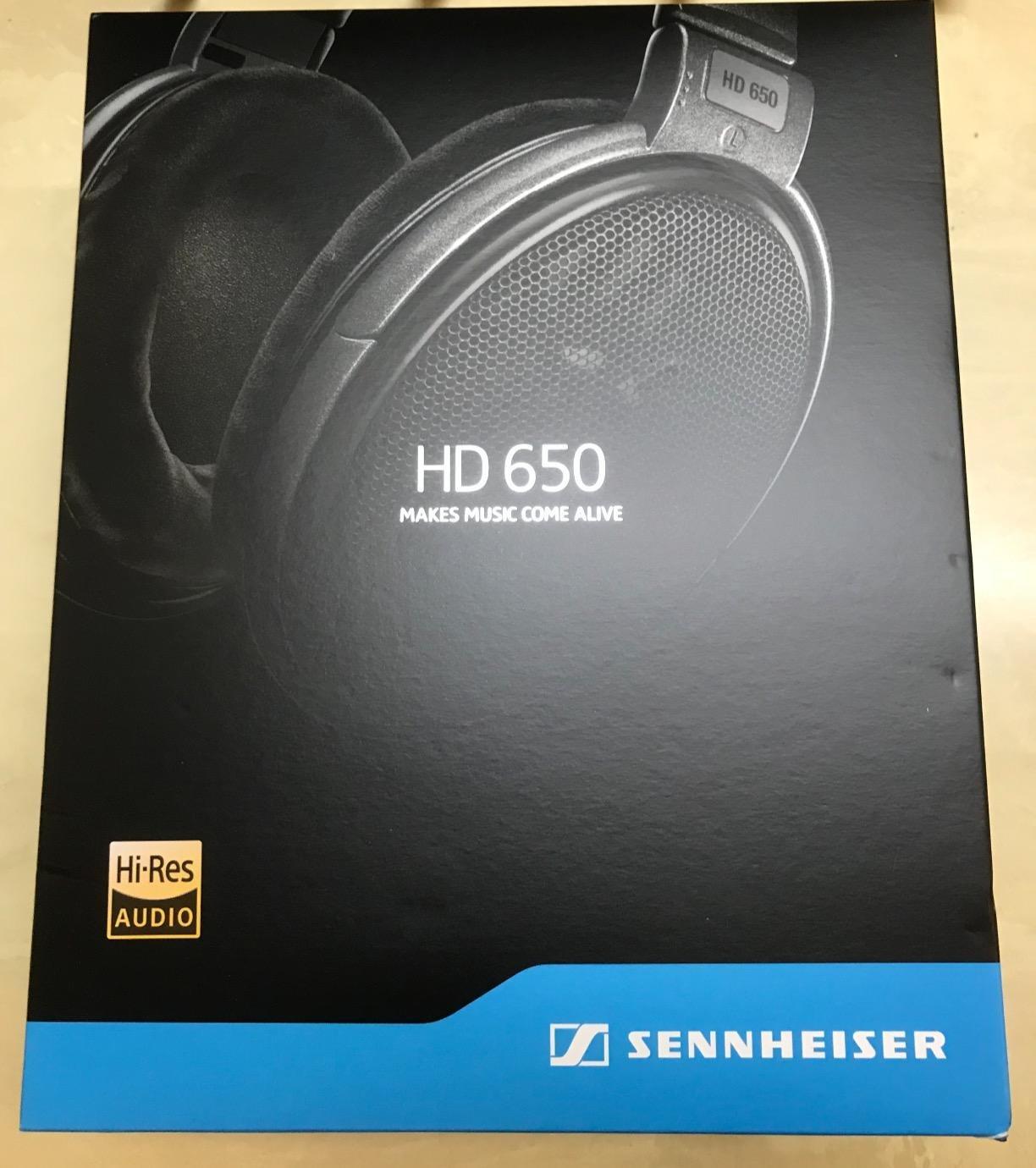
However, there is a significant consideration with the HD 600 that you need to factor in: the 300 ohm impedance. These are not headphones you can plug directly into a laptop or phone and get the full experience. You need a dedicated headphone amplifier or an audio interface with a capable headphone output to drive them properly. The good news is that the HD 600 is sensitive enough to work well with a wide range of amplifier quality levels, from budget-friendly options like the Focusrite Scarlett 2i2 to high-end dedicated amps. Without adequate amplification, the sound can feel dynamically constrained and the bass will seem recessed beyond what the headphones are actually capable of.
The frequency response stretches down to 12Hz and up to 40,500Hz, which means the full audible range and beyond is covered. Users in forums like vi-control.net frequently cite the HD 600 as a reference point for mixing decisions, with the caveat that the bass roll-off means these headphones are not ideal for genres like EDM or hip-hop where extended low-end presence is part of the sound. For acoustic music, classical, jazz, and atmospheric mixes, the HD 600 is close to perfect. The plush velour ear pads are extraordinarily comfortable, and after a break-in period of a few weeks, the clamping force relaxes to the point where you can wear these for six or seven hours without fatigue.
Who should buy the Sennheiser HD 600
If you are working with acoustic music, orchestral recordings, or any mix where instrument separation and natural timbre are paramount, the HD 600 gives you a reference-quality experience. Producers who already have a quality headphone amp in their chain will find these to be a worthwhile investment that pays dividends in mixing accuracy.
Who should look elsewhere
If you primarily work with bass-heavy music or need headphones that can be driven by consumer devices without an amp, the HD 600 will frustrate you. The initial tight clamping force also requires a break-in period, so if you need headphones that feel right out of the box, look at the HD 560S instead.
3. Sennheiser HD 660S2 Audiophile Open-Back Over Ear Headphones
Pros
- Deep controlled bass extension down to 27.5Hz
- warm natural vocals with intimate presentation
- spacious immersive soundstage
- excellent instrument separation
- premium German craftsmanship
Cons
- Some tightness for larger heads
- plastic housing feels less premium
- requires quality DAC/amp
- relatively heavy at 300g
The Sennheiser HD 660S2 builds on the legacy of its predecessors with a notable improvement in bass response that addresses one of the most common criticisms of the original HD 600. Where the HD 600 has a gentle roll-off in the low frequencies, the HD 660S2 extends down to 27.5Hz with authority and control. That bass improvement matters for Dolby Atmos mixing because the low-frequency elements in a spatial mix, from kick drums to bass guitars to atmospheric rumble, need to be positioned correctly in the sound field. If your headphones cannot reproduce those frequencies accurately, you risk either over-compensating or under-working the low end of your mix.
The 42mm transducers are larger than those in the HD 600, and the ultra-light aluminum voice coil contributes to the exceptional transient response that makes percussion and plucked instruments sound lively and immediate. The sound signature is warmer than the HD 600, with vocals that feel intimate and present rather than distant or analytical. For spatial audio work, that warmth can actually be an advantage because it makes the mix feel more alive and full, which can help you identify elements that might sound thin or disconnected on more neutral systems.
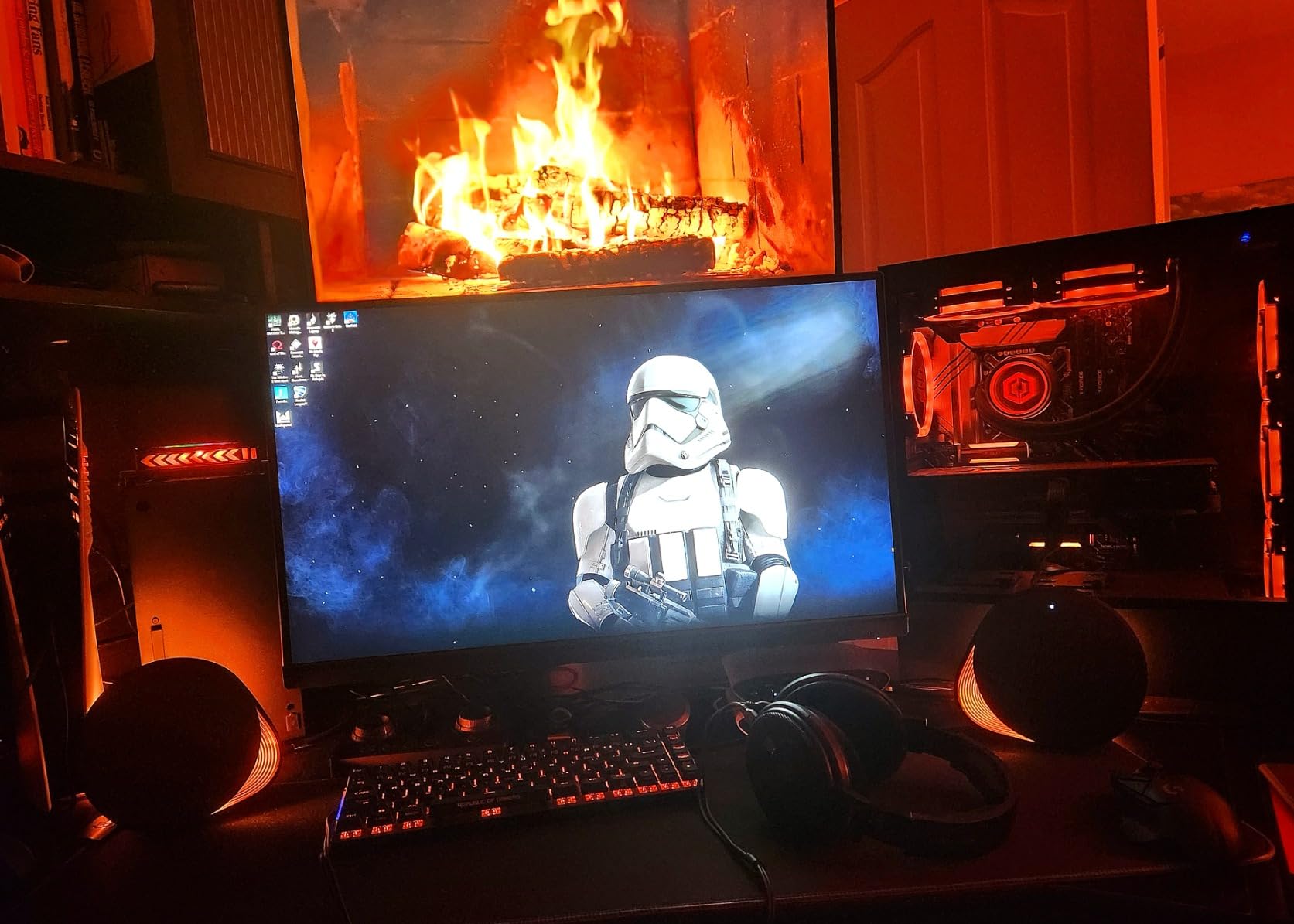
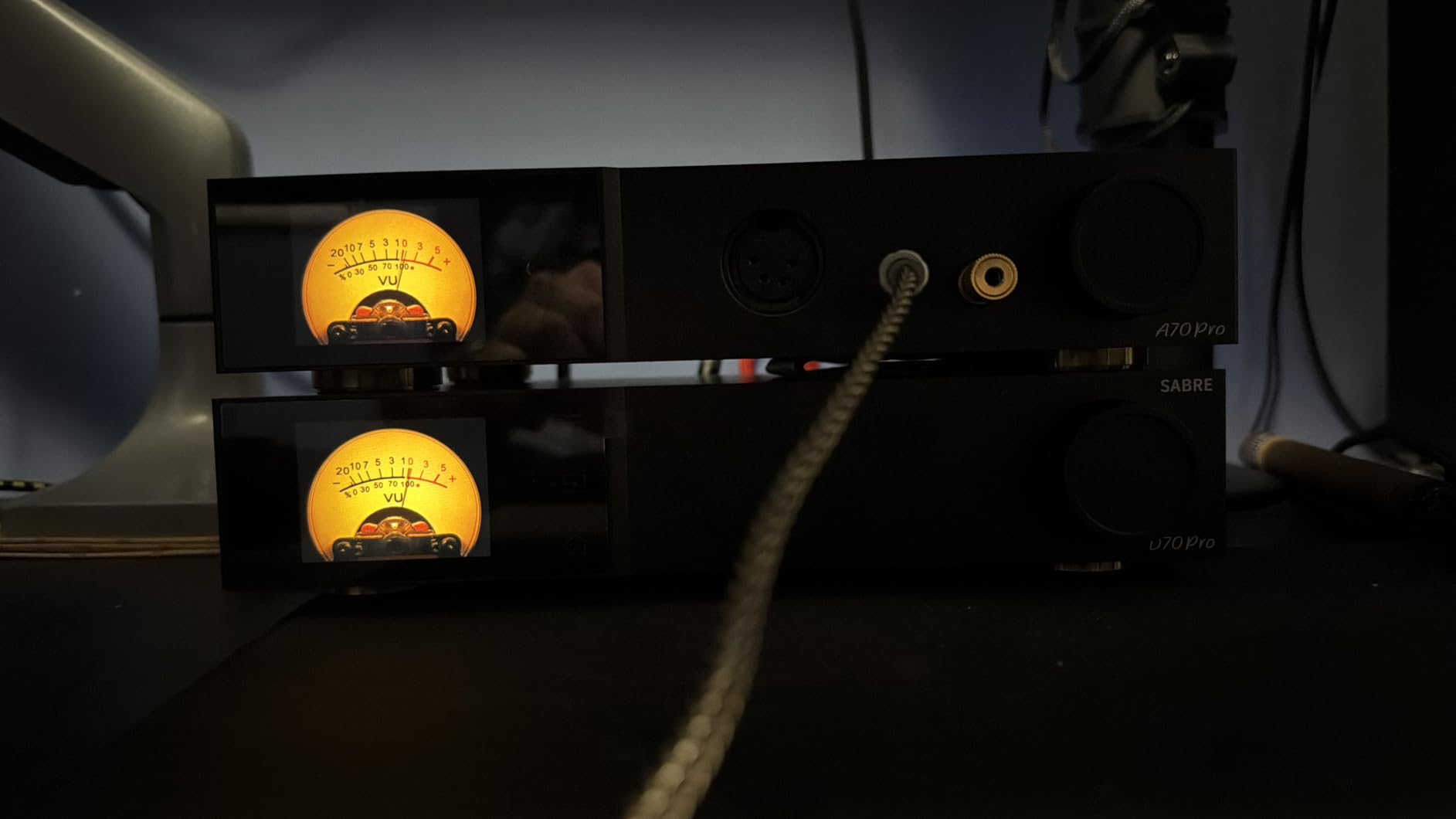
Forum discussions on audio science review communities highlight the HD 660S2 as a strong contender for spatial audio listening, with users noting that the improved bass response makes it more versatile across genres than the HD 600. The soundstage is wide and immersive, creating a concert-hall-like experience that lends itself well to atmospheric and orchestral Atmos mixes. The 300 ohm impedance remains a consideration, so plan on pairing these with a quality amplifier or DAC/amp combo. Reviewers who have compared tube amps against solid-state setups generally prefer the warmer presentation that tubes bring out in the HD 660S2.
The HD 660S2 comes with two detachable cables: a 1/4-inch TRS and a 4.4mm TRRRS balanced cable. That versatility is practical because it lets you connect to different equipment configurations without needing adapters or buying additional cables. The ear cushions use breathable plush material that stays comfortable during long sessions, though the headphone is heavier than the HD 600 at 300 grams. Some users with larger heads report that the clamping force is tighter than ideal, so if you have a larger head size, it is worth trying these on before buying if possible.
Who should buy the Sennheiser HD 660S2
If you want the HD 600 experience but need better bass extension for modern music production, the HD 660S2 is the logical upgrade. The warmer signature also suits producers who find the HD 600 too analytical for their workflow, and the included balanced cable option is a nice touch for anyone with balanced output on their interface.
Who should look elsewhere
If you are sensitive to weight or have a larger head, the heavier clamping force and 300-gram weight may cause discomfort during extended sessions. The warmer sound signature, while appealing for some genres, may also be too colored for producers who need absolute neutrality from their monitoring.
4. Sennheiser HD 560S Open-Back Over-Ear Wired Headphones
Pros
- Best sound quality under $200
- wide soundstage with precise imaging
- neutral well-balanced response for mixing
- lightweight comfortable design
- works well with everyday devices without requiring amp
Cons
- Slightly bright treble may cause fatigue
- neutral tuning lacks excitement for casual listening
- open-back leaks sound
- may need burn-in period
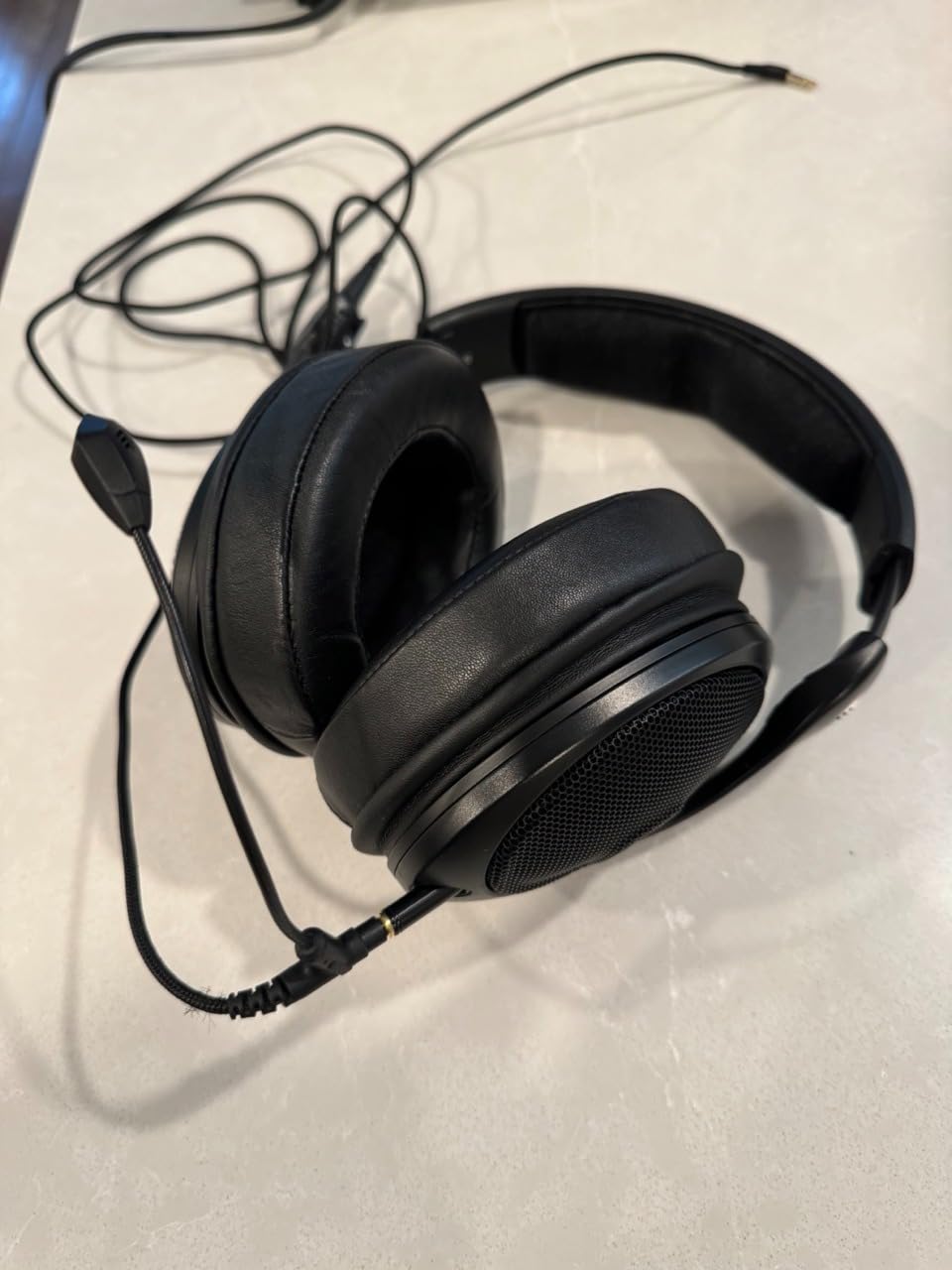
The Sennheiser HD 560S consistently appears in conversations about the best budget headphones for Dolby Atmos mixing, and after spending time with them, I understand why. At around $150, these headphones deliver a level of accuracy and soundstage quality that punches well above their price point. The HD 560S uses precision-tuned transducers that produce a wide, natural soundstage with imaging precision that rivals headphones costing two or three times more. For producers who are setting up their first home studio or who need a capable secondary reference pair without spending Audiophile money, the HD 560S is the clear recommendation.
The frequency response extends down to 6Hz, which is genuinely impressive for a driver in this price range. That low-end extension means you get accurate bass information for your spatial mixes without the coloration that cheaper drivers introduce. The 120 ohm impedance is higher than ideal for direct laptop connection, but it is low enough that these headphones work adequately from most interfaces and portable DACs without needing a dedicated amp. The velour ear pads are comfortable for all-day wear, and the open-back design provides the spacious soundstage that Dolby Atmos monitoring requires.
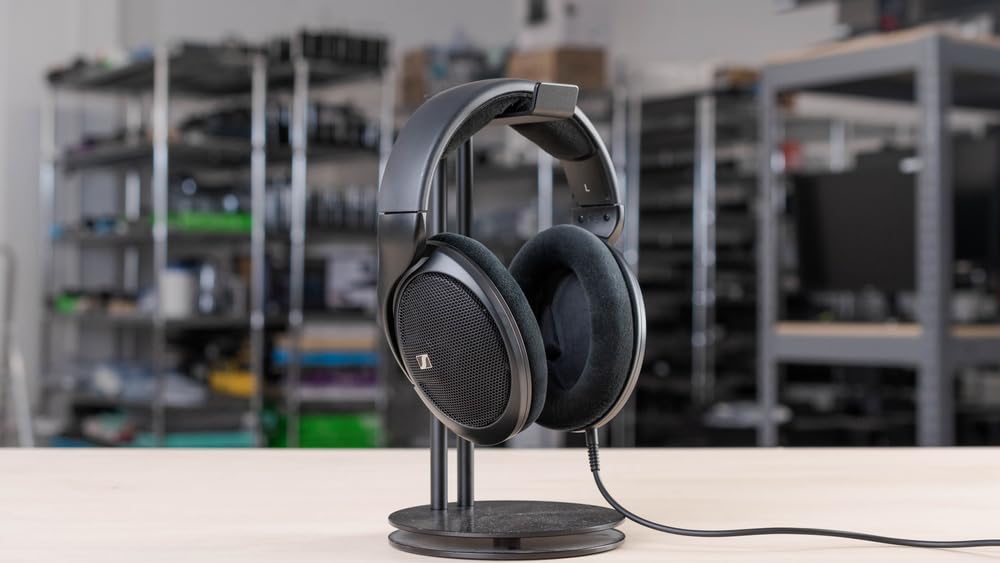
Sweetwater reviews frequently cite the HD 560S as a go-to recommendation for home studio owners working in Dolby Atmos, with users noting that the neutral tuning helps them make accurate mixing decisions that translate across different playback systems. The imaging precision also makes these excellent for gaming, which is a bonus if you are doing any sound design work for games that use spatial audio engines. The slightly bright treble is the most common criticism, and it is worth noting that some users find it fatiguing during long sessions, particularly with recordings that already have forward high frequencies.
The detachable cable system is practical for studio use because cables wear out over time, and being able to replace just the cable rather than the whole headphone is both economical and environmentally responsible. The 6.35mm plug and included 3.5mm adapter cover both professional and consumer connection scenarios. The ventilated earcups prevent heat buildup during long sessions, which is a small but meaningful quality-of-life improvement if you have ever experienced the discomfort of sweating through a long mixing session.
Who should buy the Sennheiser HD 560S
Home studio owners, beginners in spatial audio production, and anyone who needs reliable Dolby Atmos monitoring under $200 will find these headphones hard to beat. The neutral tuning and wide soundstage give you confidence that your mixes translate, and the 120 ohm impedance makes them accessible without expensive amplification equipment.
Who should look elsewhere
If you are sensitive to bright treble or prefer a warmer sound signature, the HD 560S may feel harsh on certain recordings. The open-back design also rules out any scenario where you need sound isolation, such as recording or tracking in shared spaces.
5. Beyerdynamic DT 990 Pro 250 ohm Over-Ear Studio Headphones
beyerdynamic DT 990 PRO, 250 Ohm, Open Back, Over Ear, Wired Headphones, 3m Coiled Cable, Black with Grey Velour Ear Pads
Open-back
5-35kHz
250 ohms
250g
Velour pads
Pros
- Professional studio quality at competitive price
- prominent quality bass for open-back design
- wide soundstage with brilliant highs
- extremely comfortable velour pads
- all parts serviceable for longevity
Cons
- Bright treble can be piercing
- requires headphone amp for 250 ohm version
- open-back leaks sound
- tight clamping force initially
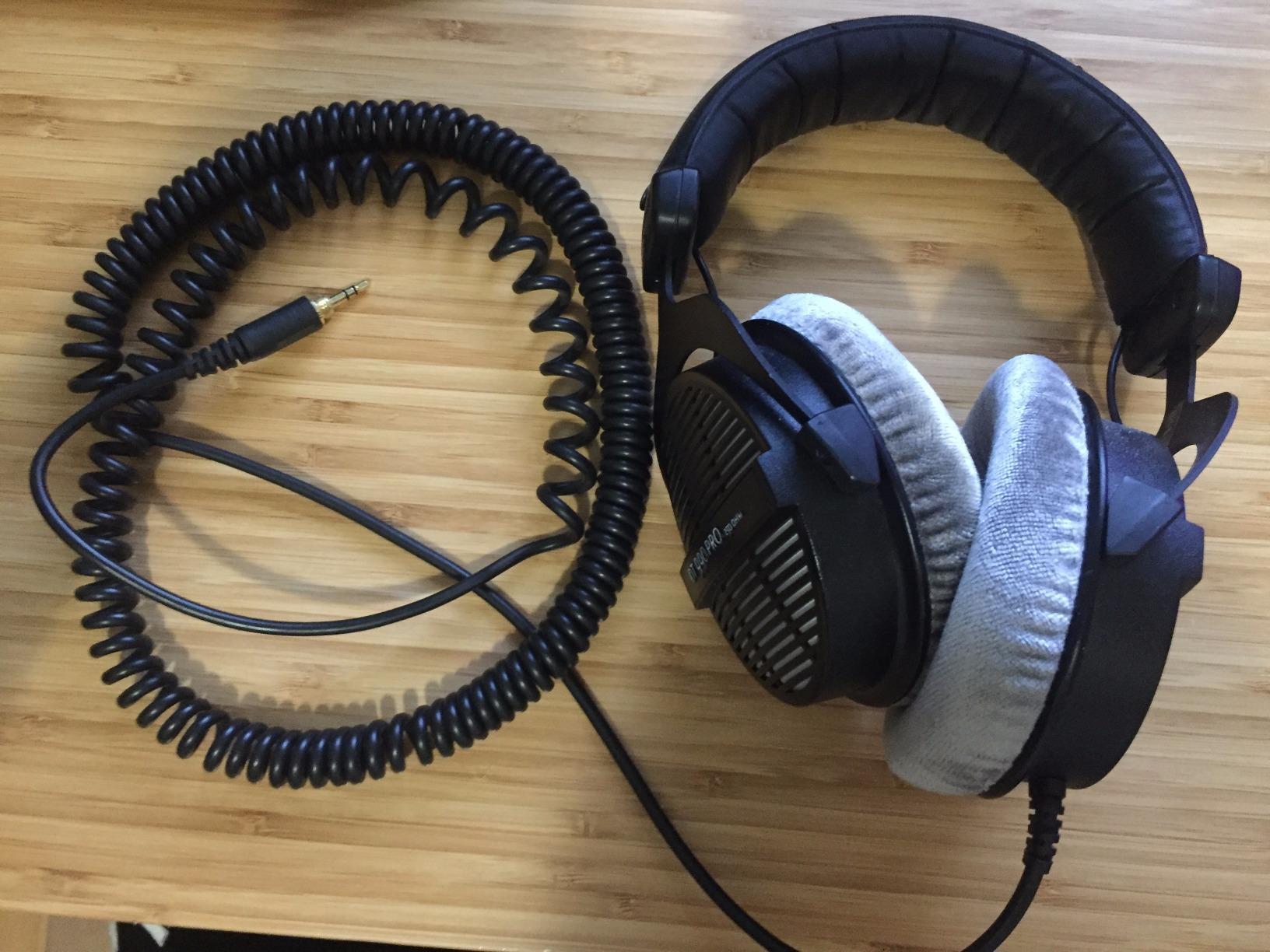
The Beyerdynamic DT 990 Pro is a studio staple that has earned its reputation over decades of professional use. With over 16,000 reviews and a 4.6 rating, it is one of the most widely trusted headphones in recording and mixing workflows. The DT 990 Pro has a distinct sonic character that sets it apart from the flatter-sounding options in this roundup: the bass response is more prominent than typical open-back studio monitors, and the highs are brilliant to the point of being bright. That voicing is not neutral in the strictest sense, but many engineers prefer it because it makes poorly recorded material sound more exciting and helps identify high-frequency problems in mixes.
For Dolby Atmos monitoring, the DT 990 Pro delivers a wide, open soundstage that creates a convincing sense of spatial depth. The 5Hz to 35,000Hz frequency response ensures full-range reproduction, and the 250 ohm impedance means these headphones need a proper headphone amp or interface with sufficient gain. Most professional interfaces provide enough power, but budget interfaces may struggle to reach satisfactory volume levels. The lightweight construction at 250 grams and the extremely comfortable velour ear pads make these viable for long sessions, though the initial clamping force requires a break-in period similar to the Sennheiser models.
The bright treble character deserves specific attention in the context of Dolby Atmos mixing. Spatial audio mixes often rely on reverb tails, delay effects, and high-frequency spatial cues to create the illusion of three-dimensional space. The DT 990 Pro renders those high-frequency elements with clarity and detail that can help you identify reverb problems or identify harshness in your mix before it becomes an issue on consumer playback. However, if your mix already has forward highs, the DT 990 Pro may make it sound harsh in a way that would not translate that way on more neutral headphones.
One practical advantage of the DT 990 Pro is that all parts are serviceable. Beyerdynamic designed these for professional use, which means you can replace the ear pads, the headband padding, and even the cable without replacing the entire headphone. That longevity matters in a studio environment where headphones take a lot of wear and tear. The coiled 3-meter cable is tangle-resistant and provides enough length for most studio configurations, and the 1/4-inch adapter is included for connecting to professional equipment.
Who should buy the Beyerdynamic DT 990 Pro
If you prefer a more exciting sound signature that makes dull recordings come alive, or if you need headphones with proven professional longevity and serviceable parts, the DT 990 Pro is an excellent choice. The prominent bass for an open-back design also makes these suitable for genres where bass presence matters.
Who should look elsewhere
If you need flat, neutral monitoring or are sensitive to bright treble, the DT 990 Pro may cause you to make incorrect mixing decisions by masking problems that would be audible on other systems. The 250 ohm impedance also requires a quality headphone amp, so budget accordingly if you do not already have one.
6. Audio-Technica ATH-M50X Professional Studio Monitor Headphones
Audio-Technica ATH-M50X Professional Studio Monitor Headphones, Black, Professional Grade, Critically Acclaimed, with Detachable Cable
Closed-back
45mm drivers
20-28kHz
38 ohms
294g
Pros
- Industry-standard studio monitoring with 33k+ reviews
- accurate flat response with exceptional clarity
- closed-back isolation for tracking and recording
- detachable cables with 90-degree swiveling earcups
- excellent value at $159
Cons
- Reveals flaws in poor recordings
- requires quality source to fully appreciate
- not water resistant
- not suitable for Atmos mixing where soundstage matters most
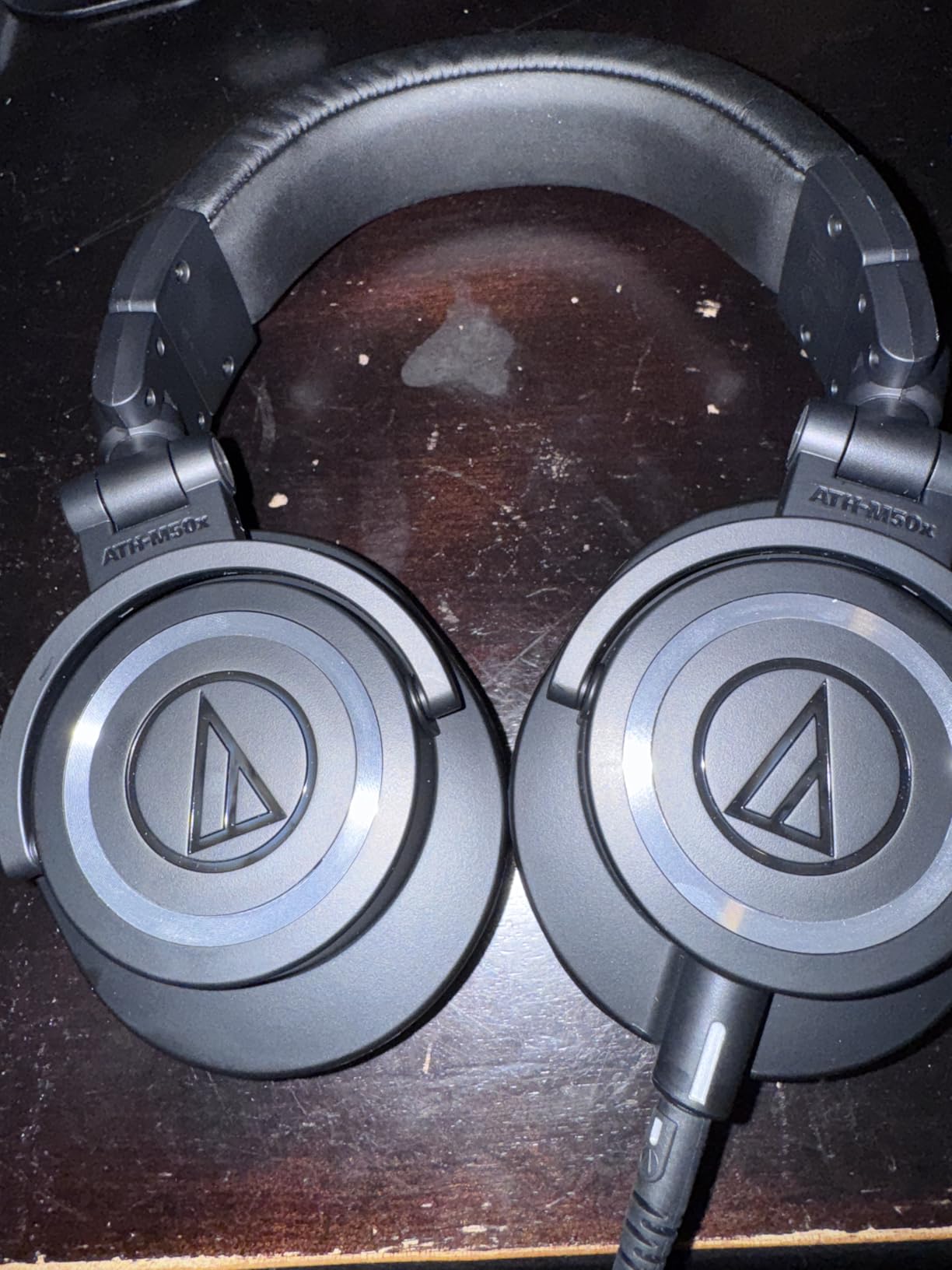
The Audio-Technica ATH-M50X needs no introduction. It is quite possibly the most widely used studio headphone in the world, appearing in recording studios, home setups, podcasting booths, and broadcast facilities everywhere. With over 33,000 reviews on Amazon and a 4.7 rating, its popularity is not accidental. The ATH-M50X delivers professional-grade monitoring performance at a price that makes it accessible to anyone setting up a studio on a budget. The closed-back design provides the isolation you need for tracking vocals, recording instruments, and working in environments where background noise is a factor.
The 45mm large-aperture drivers with rare earth magnets and copper-clad aluminum wire voice coils produce a frequency response from 20Hz to 28kHz that is remarkably flat and accurate. You hear exactly what is in the recording, including any problems that lesser headphones might mask. That transparency is valuable for mixing decisions, though it also means that poorly recorded material will sound poor through these headphones, which is not the fault of the ATH-M50X but rather a characteristic you need to be aware of. The 38 ohm impedance makes these extremely easy to drive from any interface, laptop, or mobile device, which is a practical advantage for producers who work across multiple setups.
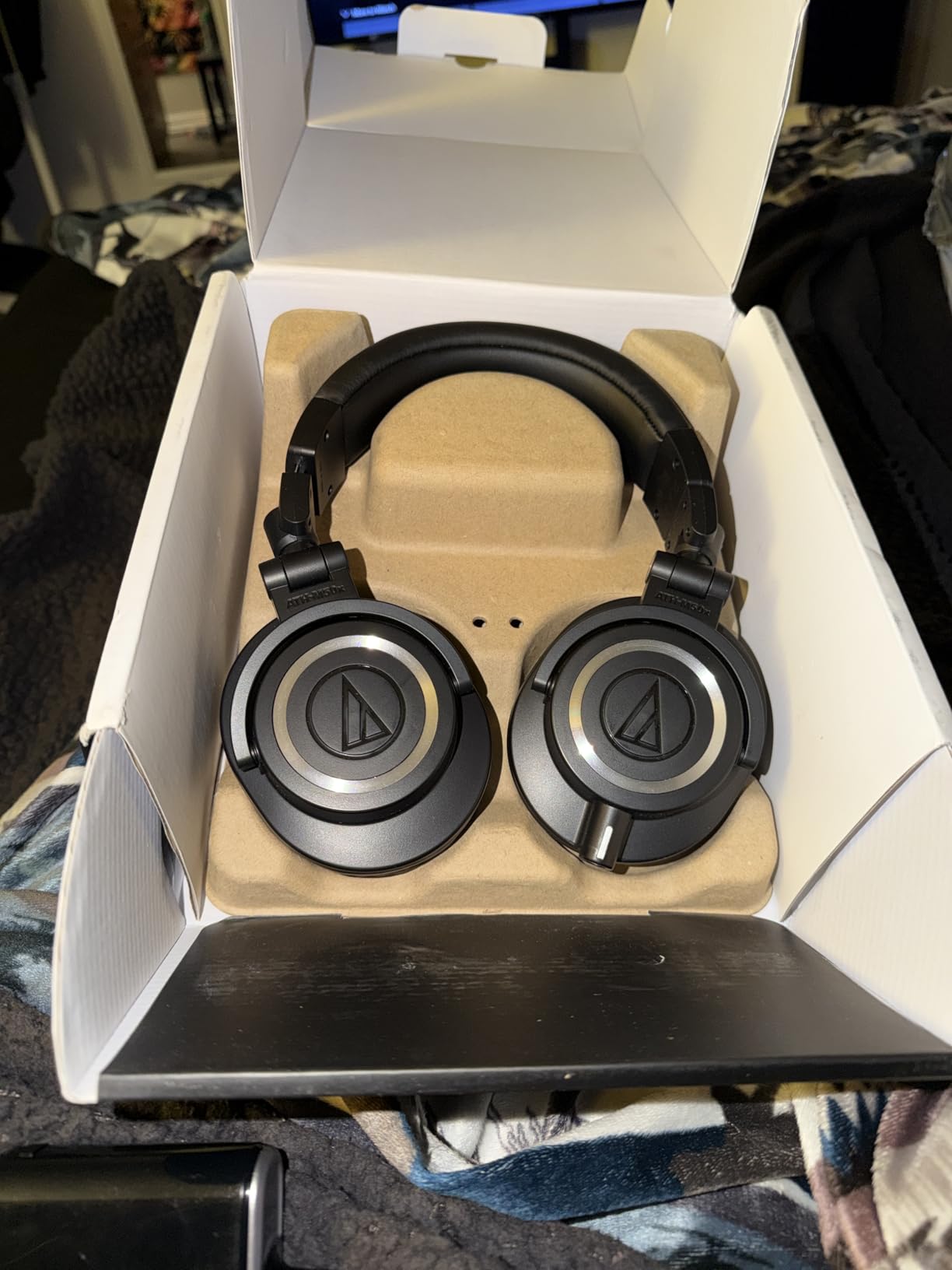
For Dolby Atmos monitoring specifically, the closed-back design creates a more intimate, headphone-like soundstage compared to the open-back options in this roundup. That difference does not make the ATH-M50X bad for Atmos work, but it does mean the spatial cues you hear are different from what open-back headphones provide. Many engineers use the ATH-M50X for tracking and recording, then switch to open-back headphones like the Sony MDR-MV1 or Sennheiser HD 560S for the mixing and mastering phase where soundstage accuracy matters more. The detachable cable system with three included cables (straight, coiled, and extension) covers every connection scenario you might encounter.
The 90-degree swiveling earcups are a thoughtful feature for one-ear monitoring during recording sessions, and the foldable design makes the ATH-M50X reasonably portable for mobile production work. The 2-year warranty on parts and labor provides peace of mind, and the aluminum enclosure adds durability without excessive weight. Reviewers consistently praise the ATH-M50X for revealing details in recordings that they had not noticed on other headphones, which is exactly what you want from a reference monitor.
Who should buy the Audio-Technica ATH-M50X
If you need closed-back headphones for tracking, recording, or working in noisy environments, the ATH-M50X is the industry standard for a reason. Producers who want one pair of headphones that works for both recording and mixing without requiring an amp will find these to be the most practical option in this roundup. The $159 price point also makes them the most budget-friendly recommendation for anyone building their first studio setup.
Who should look elsewhere
If your primary focus is Dolby Atmos mixing where the spatial soundstage is the most critical factor, open-back headphones like the Sony MDR-MV1 or Sennheiser HD 560S serve that purpose better. The ATH-M50X is not designed for immersive spatial audio work, though it remains an excellent general-purpose studio monitor.
7. Apple AirPods Max Wireless Over-Ear Headphones
Apple AirPods Max Wireless Over-Ear Headphones, Pro-Level Active Noise Cancellation, Transparency Mode, Personalized Spatial Audio, USB-C Charging, Bluetooth Headphones for iPhone - Midnight
Wireless
ANC
Apple H1 chip
20hr battery
USB-C
Pros
- Exceptional sound quality with deep controlled bass
- industry-leading Active Noise Cancellation
- Personalized Spatial Audio with dynamic head tracking
- seamless Apple ecosystem integration
- premium build quality
Cons
- Heavy compared to plastic headphones
- Smart Case offers minimal protection
- many features Apple-specific only
- expensive relative to alternatives
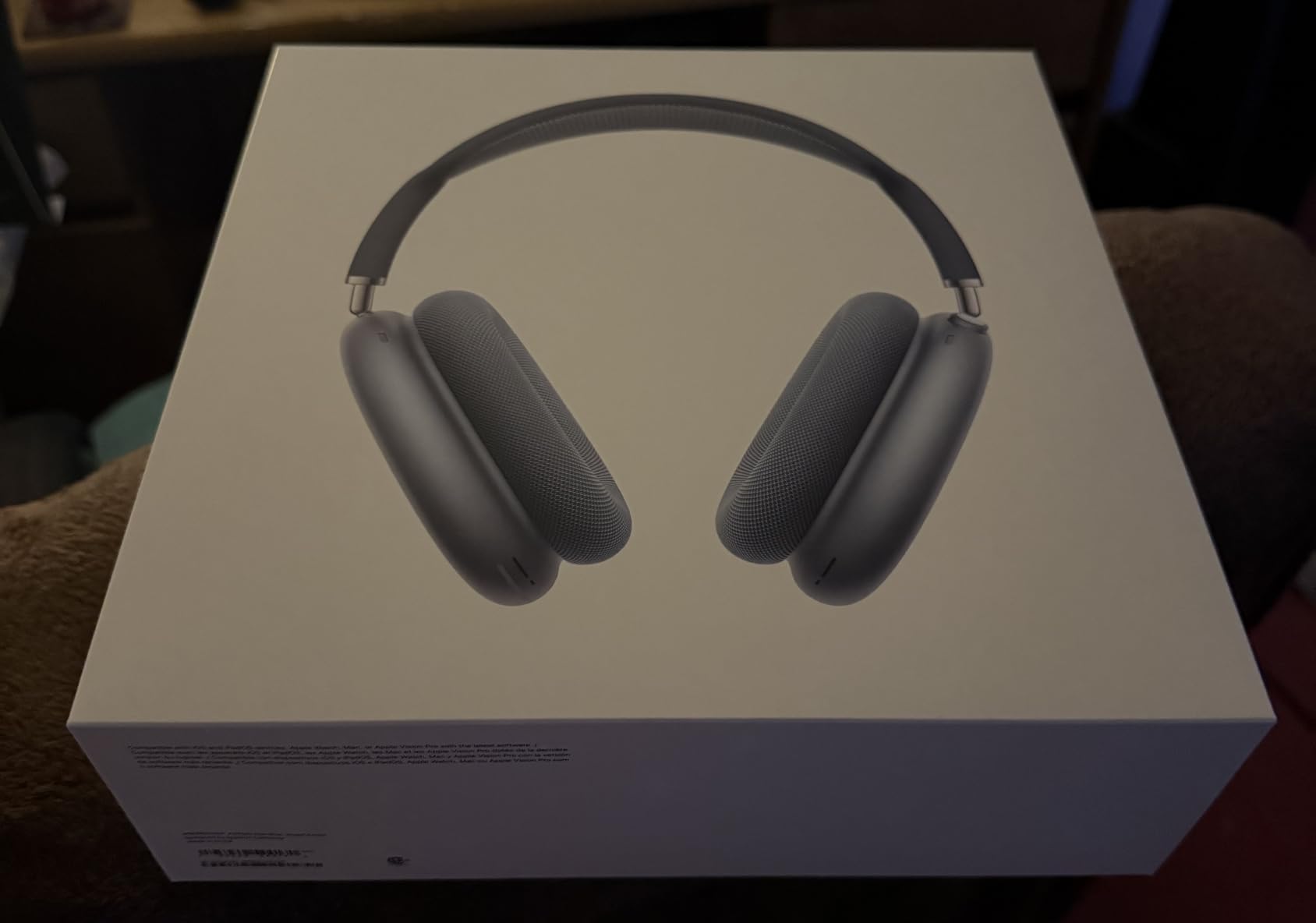
Apple AirPods Max occupies an unusual position in this roundup because they are consumer wireless headphones, not studio monitors. But that dismissal would be a mistake. For Dolby Atmos monitoring, the AirPods Max offer a compelling combination of spatial audio rendering, head tracking, and seamless Apple ecosystem integration that makes them uniquely capable for specific workflows. The Apple-designed dynamic driver and H1 chip process spatial audio using head-related transfer function processing that is specifically tuned for the Atmos renderer in Apple Music, and that same processing works with third-party Dolby Atmos content through the Dolby Access app on Mac and iOS.
The Personalized Spatial Audio feature uses the TrueDepth camera on your iPhone to create an HRTF profile tailored to your ear geometry, which improves the accuracy of spatial rendering for your specific anatomy. The dynamic head tracking keeps the soundstage anchored to your device rather than to your head, which creates a more speaker-like experience where audio seems to emanate from the screen you are looking at. For monitoring Dolby Atmos mixes, that anchored soundstage can actually be beneficial because it gives you a consistent spatial reference that does not shift when you move your head.
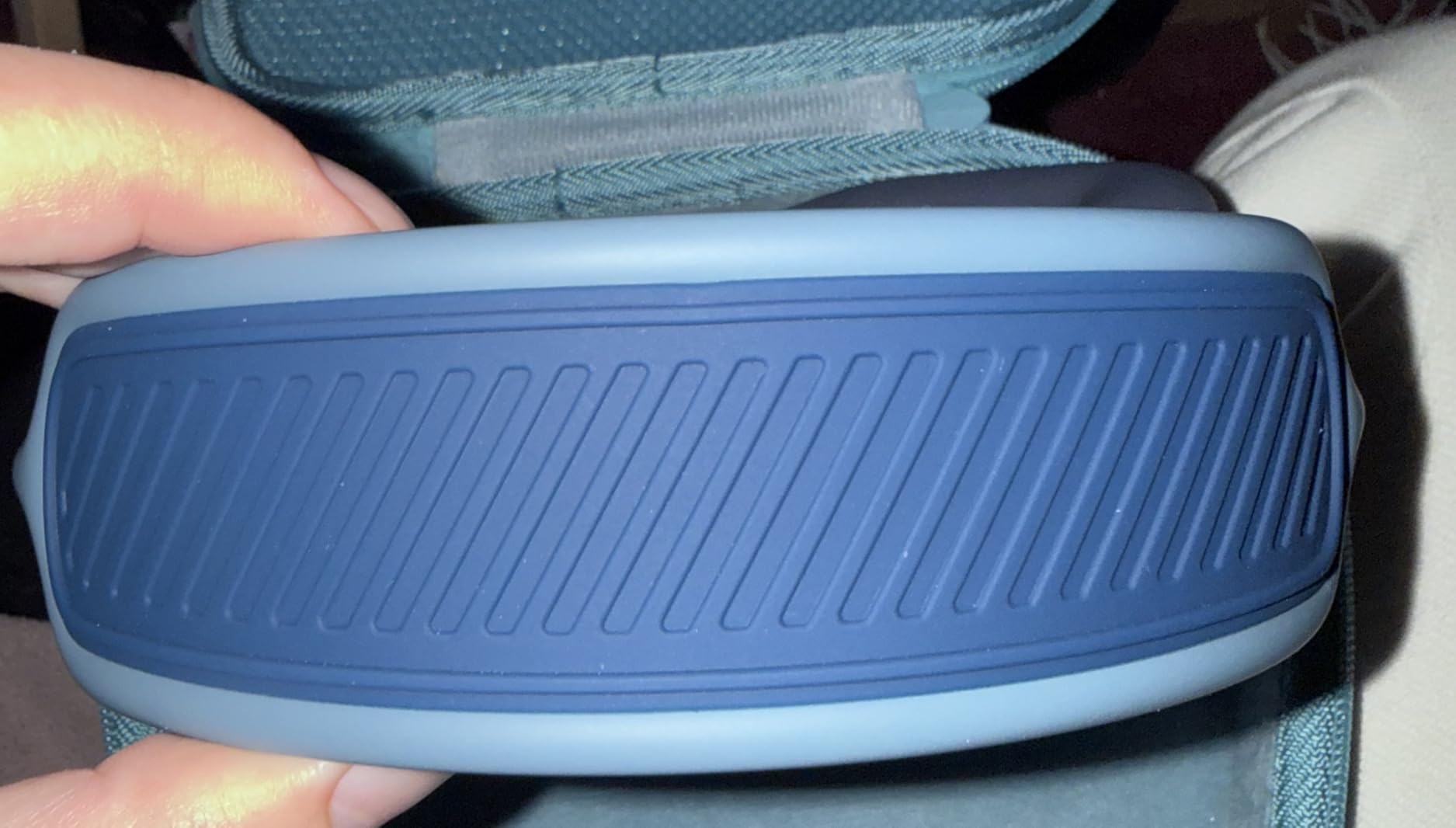
Active Noise Cancellation on the AirPods Max is genuinely best-in-class, which makes them practical for monitoring in noisy environments like coffee shops, co-working spaces, or hotel rooms when you are traveling. The transparency mode is also excellent, letting you hear your surroundings naturally when you need to. The USB-C charging with iPhone, iPad, and Mac compatibility means you can charge with the same cable across your devices, and the up to 20-hour battery life covers full production days without concern.
The main caveats for studio use are the weight and the ecosystem limitations. At nearly 1.3 kilograms, the AirPods Max is significantly heavier than any wired headphone in this roundup, and after four or five hours of use, that weight becomes noticeable. The Smart Case is also notoriously inadequate, offering minimal protection compared to a proper hard case. More importantly, many features including Personalized Spatial Audio, head tracking, and automatic device switching require Apple hardware and software. On Windows or Android, you get standard Bluetooth audio without the spatial processing, which defeats much of the purpose for non-Apple users.
Who should buy the Apple AirPods Max
If you are deep in the Apple ecosystem and need wireless Dolby Atmos monitoring with spatial processing and head tracking, the AirPods Max is the most integrated option available. Podcast producers, video editors, and content creators who work on Mac and iPad will find the seamless switching and spatial audio features genuinely useful for checking Atmos mixes on the go.
Who should look elsewhere
If you need wired studio headphones for critical mixing decisions, want maximum portability, or work primarily on Windows or Android, the AirPods Max is not the right tool. The weight and ecosystem lock-in make more sense for mobile Apple-based workflows than for dedicated studio monitoring.
8. AKG Pro Audio K712 PRO Reference Studio Headphones
AKG Pro Audio K712 PRO, Wired, Over-Ear, Open Back, Reference Studio Headphones, Flat Wire Voice Coil, Black
Open-back
62 ohms
20-20kHz
235g
Flat wire voice coil
Pros
- Exceptional soundstage that feels like listening to speakers
- incredibly accurate flat reference sound
- superb instrument separation and vocal clarity
- extremely comfortable self-adjusting suspension headband
- open airy sound
Cons
- Zero noise isolation (open-back)
- requires quality amplification
- burn-in period needed
- not suitable for noisy environments
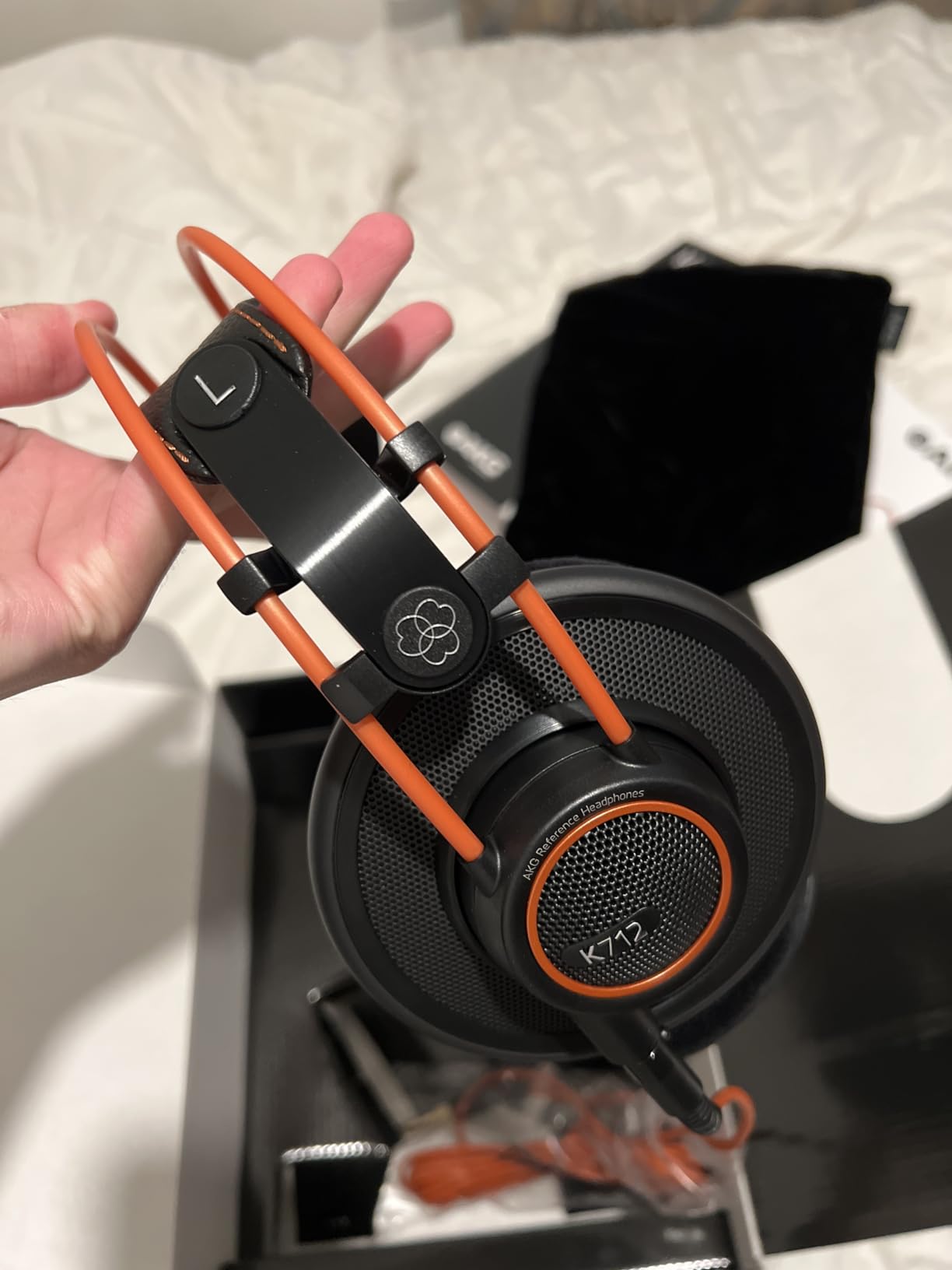
The AKG K712 PRO is a reference-grade studio headphone that consistently impresses anyone who spends time with it. The defining characteristic is the soundstage, which is so wide and natural that it genuinely feels like listening to speakers rather than headphones. AKG achieved this through a combination of open-back acoustic design, large-format drivers, and the innovative flat wire voice coil that improves impulse response and treble detail. For Dolby Atmos monitoring, that speaker-like presentation helps you make mixing decisions that translate more reliably to speaker playback systems, which is ultimately what most consumers use to listen to your spatial audio work.
The flat wire voice coil is a genuine innovation rather than marketing language. By using flat rather than round wire in the voice coil, AKG increased the coil’s surface area without increasing its mass, which improves magnetic efficiency and thermal dissipation. The result is better transient response and more accurate high-frequency reproduction. When you are listening for reverb tails, delay artifacts, or high-frequency spatial cues in your Atmos mix, that precision in the high frequencies helps you hear things that might otherwise go unnoticed. The 3dB improvement in low-end performance compared to its predecessor also means the K712 PRO delivers more authoritative bass than you might expect from an open-back design.
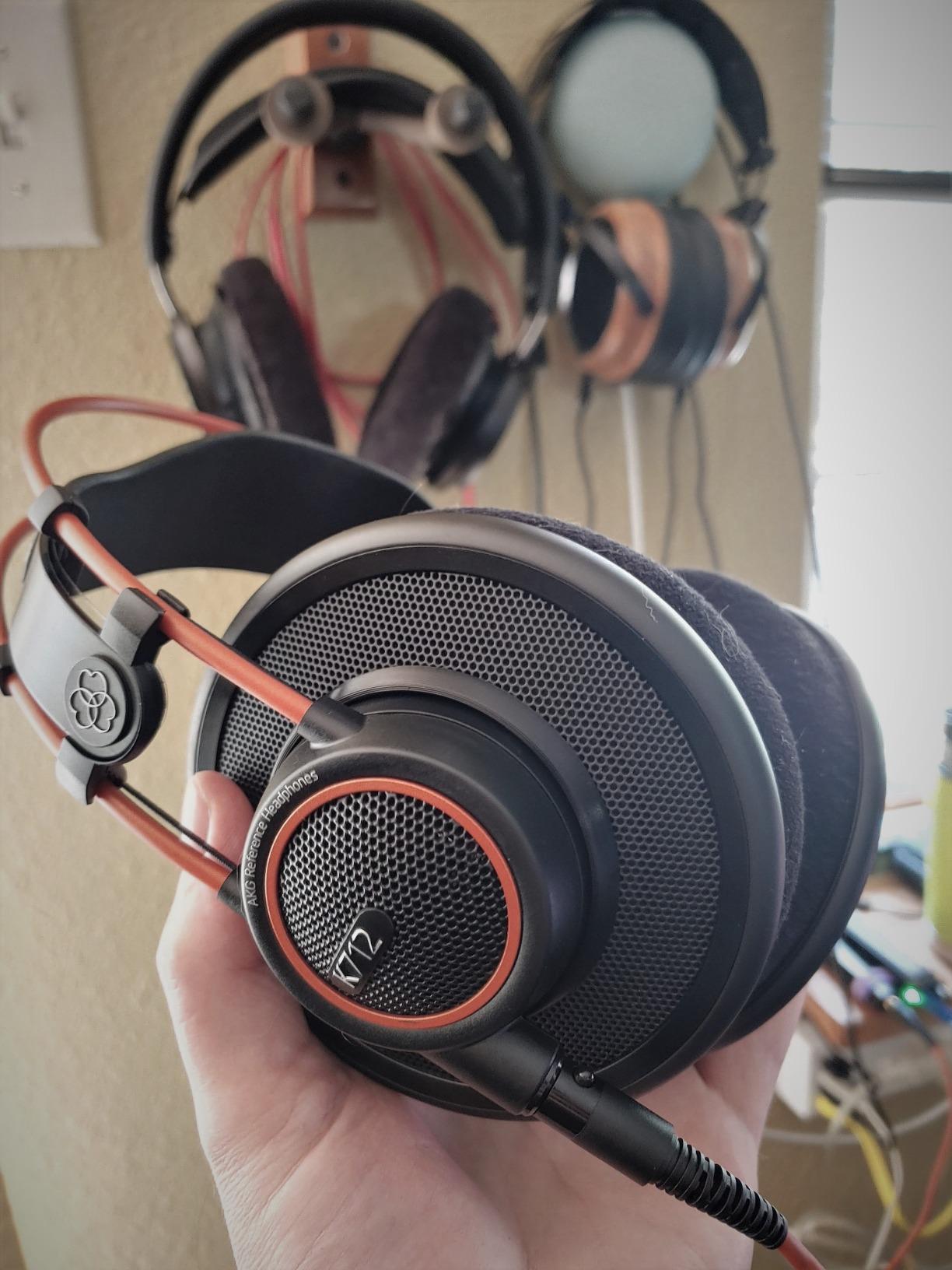
The self-adjusting suspension headband is one of the most comfortable headband designs available in any headphone, open-back or closed-back. The memory foam ear pads with fabric covering stay comfortable through marathon sessions without the heat buildup that leather alternatives can cause. The headphone weighs just 235 grams, which is impressively light for a full-size open-back studio monitor. Forum discussions on professional audio communities confirm that the K712 PRO is a favorite among mixing engineers who need accurate monitoring for extended periods, particularly for classical music, jazz, and acoustic productions where the soundstage matters most.
Two detachable cables are included: a straight orange cable and a coiled black cable. The orange cable is the primary studio choice, while the coiled option provides flexibility for situations where a coiled cable reduces tangling. The 62 ohm impedance means these headphones need more gain than the ATH-M50X but less than the 300-ohm Sennheiser models, making them compatible with most professional interfaces without requiring a dedicated headphone amp. However, as with all reference headphones, a quality DAC or interface with a good headphone output stage will reveal more of what the K712 PRO is capable of.
Who should buy the AKG K712 PRO
If you prioritize soundstage width above all else and want a headphone that sounds more like studio monitors than any other option in this price range, the K712 PRO is the clear choice. The self-adjusting headband and lightweight design also make these excellent for long sessions where comfort is paramount.
Who should look elsewhere
If you need noise isolation, work in noisy environments, or want headphones that are ready to go without any burn-in period, the K712 PRO is not the right fit. The open-back design and sensitivity to source quality also mean you need an acoustically treated room and decent amplification to get the full benefit.
How Dolby Atmos Works on Headphones: HRTF and Binaural Rendering
Understanding how Dolby Atmos translates from multi-channel speaker setups to headphone listening is essential for making the most of any monitoring headphones in this roundup. Dolby Atmos uses object-based audio where sounds are not tied to specific channels but exist as individual entities with positional metadata. When you play an Atmos mix on speakers, those objects are rendered by the AV receiver or processor and sent to the appropriate speakers based on their position in three-dimensional space. On headphones, the renderer applies HRTF processing to simulate how those sounds would interact with your ears and head if they were coming from specific directions.
HRTF stands for Head-Related Transfer Function, which is essentially a mathematical model of how your ears and head filter sound arriving from different directions. The shape of your outer ear, the size of your head, the spacing of your ears, and the characteristics of your torso all affect how you perceive direction and distance in sound. The Dolby Atmos renderer uses generic HRTFs as a starting point, and modern implementations like Apple Personalised Spatial Audio can create custom profiles based on your ear geometry to improve localization accuracy. When your headphones have a flat, neutral frequency response, the HRTF processing works correctly because the renderer is working with an accurate signal. If your headphones add their own coloration, the binaural rendering becomes compromised and spatial placement errors creep in.
The binaural rendering in Dolby Atmos also accounts for the way sound reflects off room surfaces and interacts with your environment. Speaker-based Atmos systems rely on ceiling-mounted height speakers and careful room calibration to achieve convincing immersive audio. Headphone-based monitoring approximates this through signal processing, which means the quality of your headphones directly affects how accurately you can judge the height and depth of audio objects in your mix. This is why flat reference headphones like the Sony MDR-MV1 and Sennheiser HD 600 series give you an advantage for Atmos work: they do not interfere with the binaural processing by adding their own frequency coloration.
What to Look for in Dolby Atmos Monitoring Headphones
Choosing the right headphones for spatial audio mixing involves specific considerations beyond the usual studio monitoring checklist. The most important factor is frequency response accuracy, particularly in the high frequencies where spatial cues like reverb tails, delay effects, and overhead sounds exist. A headphone with a dip or peak in the high mids or treble will cause you to misjudge the spatial characteristics of those elements, leading to mixes that sound wrong on other systems. The headphones in this roundup were selected specifically because they deliver the neutral response needed for accurate spatial monitoring.
Soundstage width and depth are equally important for Atmos work. Open-back headphones generally provide a wider, more natural soundstage than closed-back designs because the acoustic design allows the drivers to interact with the environment rather than building up pressure inside a sealed chamber. For mixing in Dolby Atmos, that speaker-like soundstage helps you make decisions about spatial placement that translate to both speaker and headphone playback. Closed-back headphones like the ATH-M50X have their place in the workflow for tracking and recording, but for the actual spatial mixing phase, open-back designs give you a more accurate reference.
Impedance and amplification requirements matter for practical studio workflow. High-impedance headphones like the Sennheiser HD 600 and HD 660S2 require dedicated headphone amplification to reach their full potential. If your interface or DAC does not have sufficient gain, you will not hear what these headphones are capable of delivering. Lower-impedance options like the Sony MDR-MV1 at 24 ohms and the ATH-M50X at 38 ohms are more forgiving of budget amplification equipment. When building your Atmos monitoring setup, factor in the cost of a quality headphone amp if you plan to use high-impedance models.
Wired versus wireless is a practical consideration that affects latency and reliability more than sound quality. For studio monitoring where you need to trust what you hear, wired connections eliminate any concerns about codec compression or Bluetooth latency. The AirPods Max are the only wireless option in this roundup, and while they sound excellent and offer useful spatial processing features, they are best suited for checking Atmos mixes on the go rather than for critical studio sessions where wired monitoring is the standard. If you need wireless freedom in the studio, look at options with aptX Lossless or LDAC codecs that minimize compression artifacts.
DAW and platform compatibility determine how you actually connect your headphones to your Atmos workflow. Pro Tools, Logic Pro, Nuendo, and Studio One all support Dolby Atmos rendering through their respective renderer integrations. Most professional setups use a dedicated Dolby Atmos Renderer application that runs alongside the DAW, with the DAW sending object-based audio via AES67 or Dante audio over IP to the renderer, which then outputs binaural stereo to your headphones. Make sure your interface has sufficient outputs for your speaker monitoring if you need to switch between headphone and speaker reference during Atmos mixing sessions.
Calibration with tools like Sonarworks Reference 6 can further improve the accuracy of any headphone in this roundup by compensating for the specific frequency response curves of each model. Forum discussions consistently highlight Sonarworks calibration as a game-changer for headphone monitoring accuracy, particularly for producers who do not have access to a perfectly treated room. The combination of flat reference headphones plus Sonarworks calibration gives you a monitoring chain that rivals properly calibrated studio speakers for the purpose of spatial audio production.
Setting Up Your Headphones for Dolby Atmos Monitoring
Getting your headphones properly configured for Dolby Atmos monitoring depends on which platform and DAW you are using. On macOS with Logic Pro, Apple has integrated Dolby Atmos rendering directly into the DAW, and you can select your headphones as the output device with Atmos rendering applied. Simply create a surround or Atmos session, pan your audio objects in the immersive space, and enable the binaural renderer in the mixing menu. Logic handles the HRTF processing automatically, and you can switch between speaker and headphone monitoring with a single click.
On Windows with Pro Tools, the Dolby Atmos Renderer runs as a separate application that receives audio via Dante or AES67 from your Pro Tools session. You configure the renderer for headphone output and select your headphones as the monitoring device. The renderer applies the HRTF processing and sends the binaural mix back to your interface for monitoring. This setup requires a more complex routing configuration than native Apple solutions, but it gives you more control over the rendering process and supports higher channel counts for more complex Atmos sessions.
For iOS and iPadOS, the Dolby Access app from Microsoft provides headphone-based Atmos rendering for supported content. Connect your headphones, configure the app to use them as the output device, and enable spatial audio processing for compatible apps. While iOS does not run a full DAW with Atmos support, the Dolby Access app lets you audition how your Atmos mixes translate to consumer headphone playback, which is valuable for checking translations before distributing your content.
Frequently Asked Questions
What are the best headphones for spatial audio?
The best headphones for spatial audio are models with flat, neutral frequency response and wide soundstage like the Sony MDR-MV1 (specifically designed for immersive mixing), Sennheiser HD 560S (best value under $200), and Sennheiser HD 600 (audiophile reference standard). Open-back designs generally provide better spatial imaging than closed-back headphones for Dolby Atmos monitoring.
Does Dolby Atmos sound better with spatial audio?
Dolby Atmos IS spatial audio. It uses object-based audio with positional metadata that the renderer processes to create a three-dimensional sound field. When monitoring Dolby Atmos on headphones, the quality of spatial rendering depends on both the renderer’s HRTF processing and the headphones’ ability to reproduce the frequency spectrum accurately without adding coloration that interferes with binaural processing.
What headphones work best with Dolby Atmos?
Headphones that work best for Dolby Atmos monitoring have flat frequency response, wide soundstage, and low distortion. The Sony MDR-MV1 is specifically engineered for immersive audio mixing. The Sennheiser HD 560S offers excellent value at around $150. The Sennheiser HD 600 is the audiophile reference standard. For closed-back tracking needs, the Audio-Technica ATH-M50X remains the industry standard.
Is head-tracked spatial audio better?
Head-tracked spatial audio improves the experience by anchoring the soundstage to your screen rather than to your head, creating a more speaker-like monitoring experience. When you turn your head, the audio adjusts to maintain the illusion that sounds are coming from the environment around you. This is particularly useful for checking Dolby Atmos mixes on the Apple AirPods Max or when using Dolby Access with compatible headphones, though head tracking is a feature enhancement rather than a replacement for flat monitoring headphones.
Final Thoughts on Dolby Atmos Monitoring Headphones
The right Dolby Atmos monitoring headphones make a measurable difference in the quality of your spatial audio mixes. Whether you choose the Sony MDR-MV1 for its purpose-built immersive audio design, the Sennheiser HD 560S for its exceptional value proposition, or the Audio-Technica ATH-M50X for its industry-standard tracking performance, each of these eight models has earned its place in this roundup through real-world performance in spatial audio production workflows. The headphones that work best for Dolby Atmos monitoring share common traits: flat frequency response, wide soundstage, accurate transient reproduction, and neutral high-frequency performance that lets the HRTF processing do its job without interference. Investing in a quality pair of monitoring headphones is one of the highest-return equipment decisions you can make for your spatial audio production setup.