
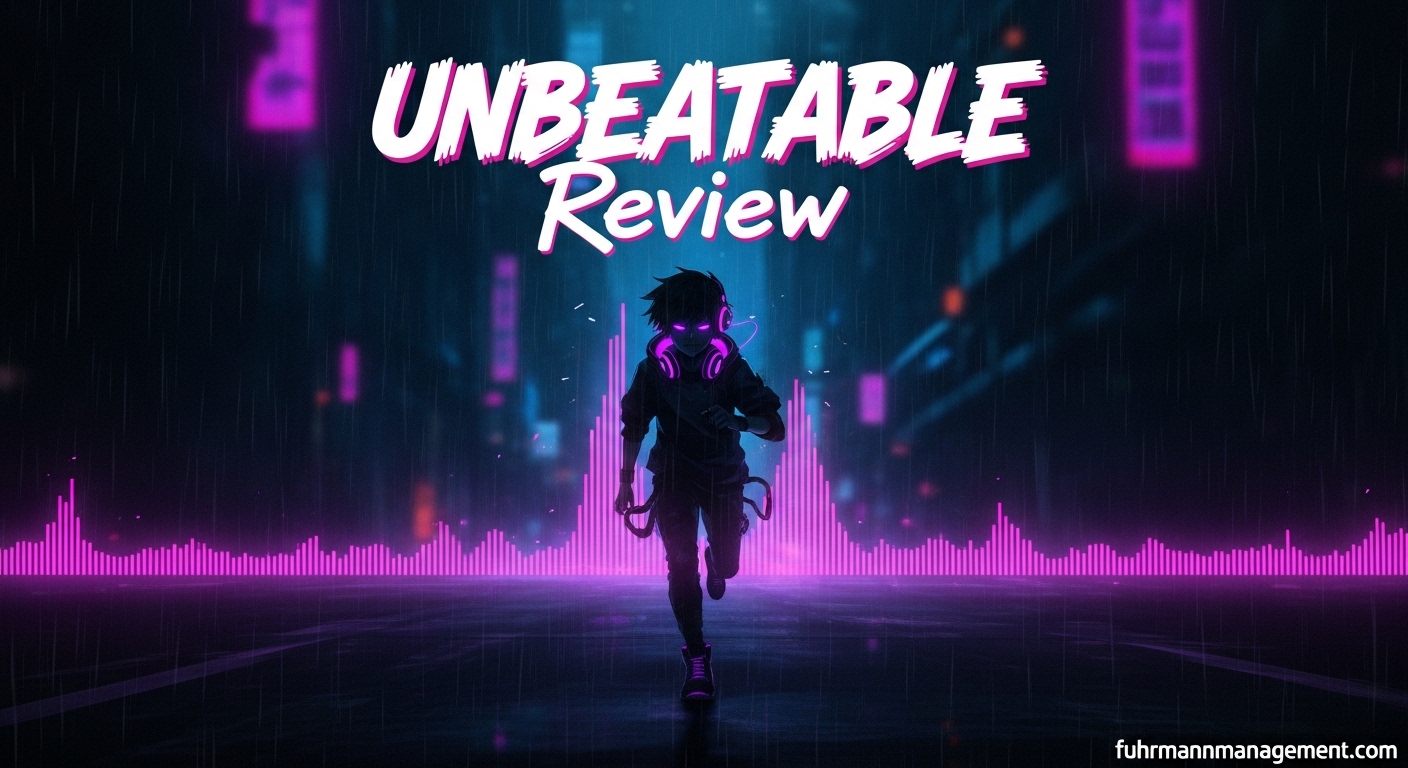
In a world where music is illegal, one beat changes everything. This is the core premise of UNBEATABLE, the rhythm-based action game from D-Cell Games that has been creating waves in the indie scene long before its full release. If you have been scouring the internet for a comprehensive UNBEATABLE review, you have likely seen the hype surrounding its gorgeous aesthetic and bumping soundtrack. But does the gameplay live up to the visual spectacle, or is it just style over substance?
Having spent hours diving into the early access chapters, I’m here to tell you that this isn’t just another button-masher. It is a love letter to music culture wrapped in a cyberpunk dystopian package. From the moment the first track kicks in, UNBEATABLE demands your attention, not just with your eyes, but with your fingers and your heart.
The Premise: Music is the Crime
Storytelling in rhythm games is often an afterthought—a loose thread to tie songs together. UNBEATABLE, however, places its narrative front and center. You play as a member of a band on the run. In this setting, the “Noise Police” patrol the streets, silencing any form of musical expression.
The narrative beats hit hard because they are metaphorically resonant. The act of creating music becomes an act of rebellion. While some reviews might gloss over the plot to focus on mechanics, the story here provides the emotional weight behind every note you hit. It reminds us why we love music: it’s freedom, it’s connection, and as this game proves, it’s worth fighting for.
For those interested in how creative projects like this manage to blend narrative and gameplay so seamlessly, our piece on /creative-project-management/ explores the behind-the-scenes chaos of indie development.
Visuals That Pop: A Living Anime
The first thing you will notice in this UNBEATABLE review is the art direction. D-Cell Games has opted for a style that feels like a high-octane anime come to life. The characters are expressive, featuring exaggerated movements and fluid animations that sync perfectly with the music tracks.
Unlike 3D rhythm games that can sometimes feel sterile or floaty, UNBEATABLE has a gritty, textured feel. The urban environments—neon-lit alleyways, rain-slicked streets, and towering brutalist architecture—create an immersive atmosphere. It captures the vibe of a underground music scene perfectly.
But the visual flair isn’t just window dressing. The game uses visual cues to signal incoming beats and obstacles. The background pulses with the bass, and enemies attack in time with the snare. This integration of visual feedback and audio rhythm is crucial for mastering the game, creating a synesthetic experience where you see the sound as much as you hear it.
Gameplay Mechanics: Parrying to the Beat
This is where UNBEATABLE distinguishes itself from giants like Guitar Hero or DJMax. Instead of scrolling notes or a fixed highway, the gameplay is action-oriented. You control your character as they run, fight, and dodge through side-scrolling levels.
The “Beat” of Combat
The core mechanic revolves around attacking and parrying to the rhythm. You cannot simply spam the attack button; you need to feel the groove. Parrying, in particular, feels incredibly satisfying. When you time a block perfectly against an incoming enemy attack, the screen flashes, the sound amplifies, and you regain momentum.
This mechanic rewards rhythm game veterans who have excellent internal clocks, but it is accessible enough for casual players to pick up. The game often uses “call and response” patterns—you hear a sound, and you react. It feels less like playing a simulation of an instrument and more like you are dancing through a fight.
For more insights on managing complex systems and workflows in fast-paced environments, check out /efficient-workflow-management/.
Difficulty and Flow
One potential point of contention for some players will be the difficulty curve. UNBEATABLE walks a fine line between challenging and frustrating. There are moments, especially during boss battles, where the visual chaos can make it hard to track the specific rhythm cues. However, the game usually offers a generous checkpoint system, ensuring that a failure doesn’t set you back too far.
It is a game about “flow state.” When you are in the zone, landing every parry and nailing every beat, you feel unbeatable—hence the name. When you break that flow, it can be jarring, but getting back into the rhythm is part of the addictive loop.
The Soundtrack: The Soul of the Game
A rhythm game lives or dies by its setlist, and UNBEATABLE has a pulse that refuses to flatline. The soundtrack is a eclectic mix of genres, ranging from high-energy punk rock and electronic synth-wave to soulful acoustic ballads.
The tracks aren’t just background noise; they are character themes and level designs in audio form. The music dictates the pacing of the enemies and the intensity of the visuals. What is impressive is that the music holds up as a standalone album. You could listen to these tracks on your morning commute and enjoy them, which is a testament to the composers’ talent.
The dynamic audio mixing is also worth noting. As your health gets low or the action heats up, the music adapts. Layers of the track might drop out or intensify, creating a responsive audio landscape that few games manage to pull off effectively.
Is UNBEATABLE [White Label] Worth Your Time?
Currently, the game is available in various forms, including the “White Label” demo on Steam and mobile. Many reviews focus on the demo, but the full roadmap promises a much larger journey.
If you are a fan of games like No Straight Roads or The World Ends With You, you will feel right at home here. However, UNBEATABLE carves out its own niche by being less “gamey” and more of an interactive music video experience. It is shorter than your average AAA title, but it is dense with style and replayability for those chasing high scores.
Pros and Cons
Pros:
- Incredible art style and fluid animations.
- A soundtrack that is diverse, catchy, and integral to the gameplay.
- Unique parry-based combat system that feels fresh.
- Compelling dystopian narrative.
Cons:
- Visual clutter can occasionally obscure rhythm cues during intense battles.
- The learning curve for parrying might be steep for absolute newcomers to rhythm games.
- Currently, content is limited (Early Access/Demo status), though more is coming.
Comparisons to Other Rhythm Titans
How does it stack up against the titans of the genre? While Beat Saber relies on VR immersion and DDR relies on physical dance, UNBEATABLE relies on narrative immersion. It shares DNA with Samba de Amigo regarding sheer joy, but with a modern, edgy aesthetic.
It avoids the “micro-transaction hell” that plagues many mobile rhythm games. It is a premium experience that respects the player’s time and skill. This commitment to quality game design is something we often discuss in our /sustainable-business-models/ article—it proves that respecting the customer pays off.
Conclusion
UNBEATABLE is more than just a game; it is a statement. It proves that rhythm games can evolve, blending narrative, combat, and music into a cohesive whole. While it may have some rough edges in its current early access state, the core experience is polished to a shine.
Whether you are a hardcore rhythm gamer looking for a new challenge, or an indie enthusiast looking for the next big artistic triumph, this is a title you cannot ignore. It captures the rebellious spirit of rock and roll and packages it into an interactive experience that is, quite frankly, unbeatable.
So, plug in your headphones, turn up the volume, and join the resistance. The silence of the world won’t know what hit it.