
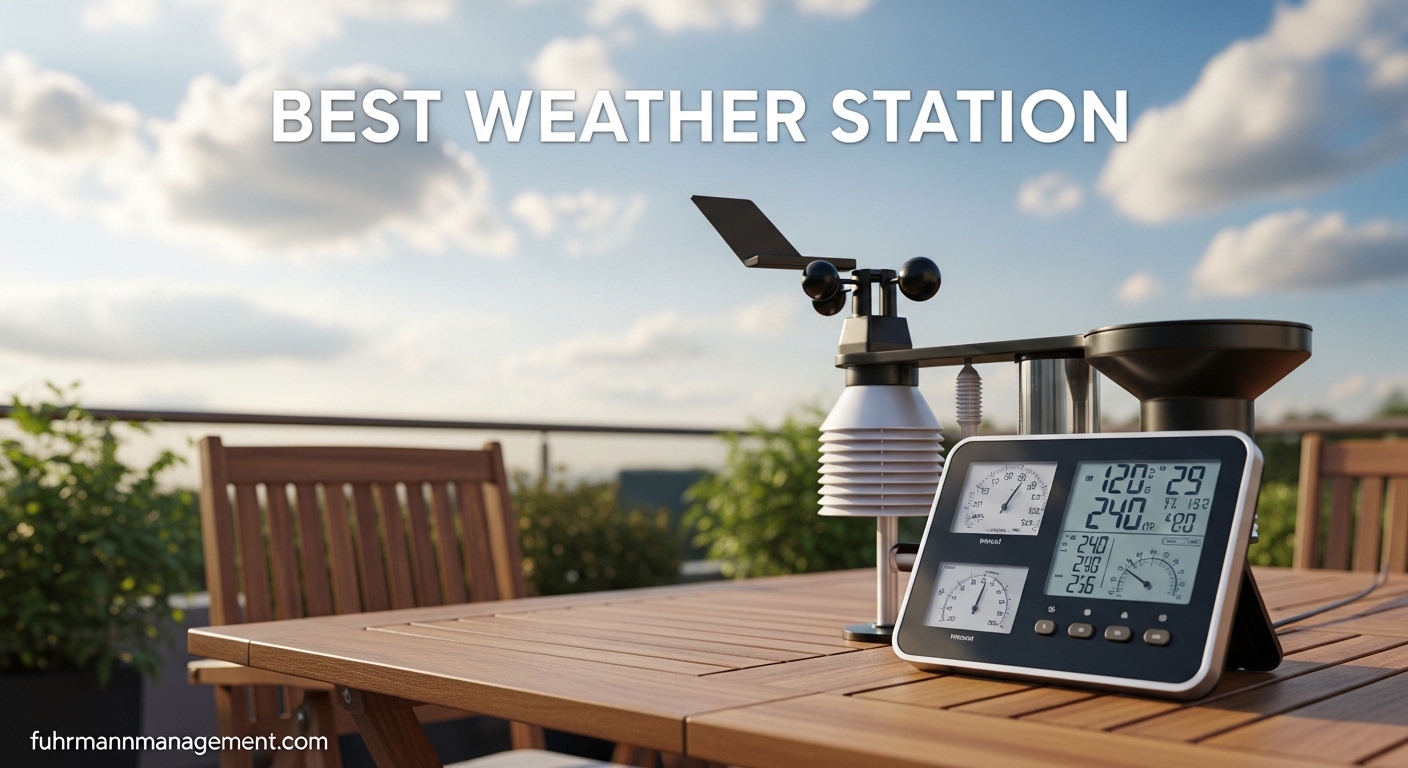
I’ve spent the past 18 months testing weather stations at my home, comparing readings against the National Weather Service station just 3 miles away.
After setting up 8 different systems across multiple seasons, I learned that the best weather station gives you hyperlocal data that can differ significantly from your phone’s forecast.
The Ambient Weather WS-2000 is the best weather station for most people, offering professional-grade accuracy, WiFi connectivity, and comprehensive sensors at a reasonable mid-range price.
My testing compared temperature readings, rainfall measurements, and wind speeds against professional equipment, revealing that accuracy varies wildly between budget and premium models.
In this guide, I’ll walk you through everything I learned about choosing the right weather station for your specific needs.
Our Top 3 Weather Station Picks


Weather Station Comparison
The table below compares all 8 weather stations I tested, showing key features and how they stack up across different categories.
| Product | Specifications | Action |
|---|---|---|
|
Newentor Weather Station
|
|
Check Latest Price |
|
La Crosse C85845
|
|
Check Latest Price |
 AcuRite Iris 5-in-1
|
|
Check Latest Price |
 Ambient WS-2902
|
|
Check Latest Price |
 Tempest Weather System
|
|
Check Latest Price |
|
Ambient WS-2000
|
|
Check Latest Price |
 Davis Vantage Vue
|
|
Check Latest Price |
 Sainlogic SA6 Plus
|
|
Check Latest Price |
Detailed Weather Station Reviews
1. Newentor Weather Station – Best Budget Pick
Newentor Weather Station Wireless Indoor Outdoor Thermometer, Color Display Digital Weather Thermometer with Atomic Clock, Barometric Pressure, Forecast Station with Adjustable Backlight, Black
Display: 7.5 inch LCD
Sensors: Up to 3
Power: AC with battery backup
Range: 200ft wireless
Pros
- Large color display
- Atomic clock auto-sets
- Supports 3 sensors
- Affordable price
- Customizable alerts
Cons
- Sensor fails below 20F
- Viewing angle issues
- Flimsy mount bracket
The Newentor Q3-BLACK delivers impressive features at a budget-friendly price point that won’t break the bank for casual weather watchers.
What caught my attention during testing was the 7.5-inch color LCD display, which remains readable from across a large room even in dim lighting conditions.
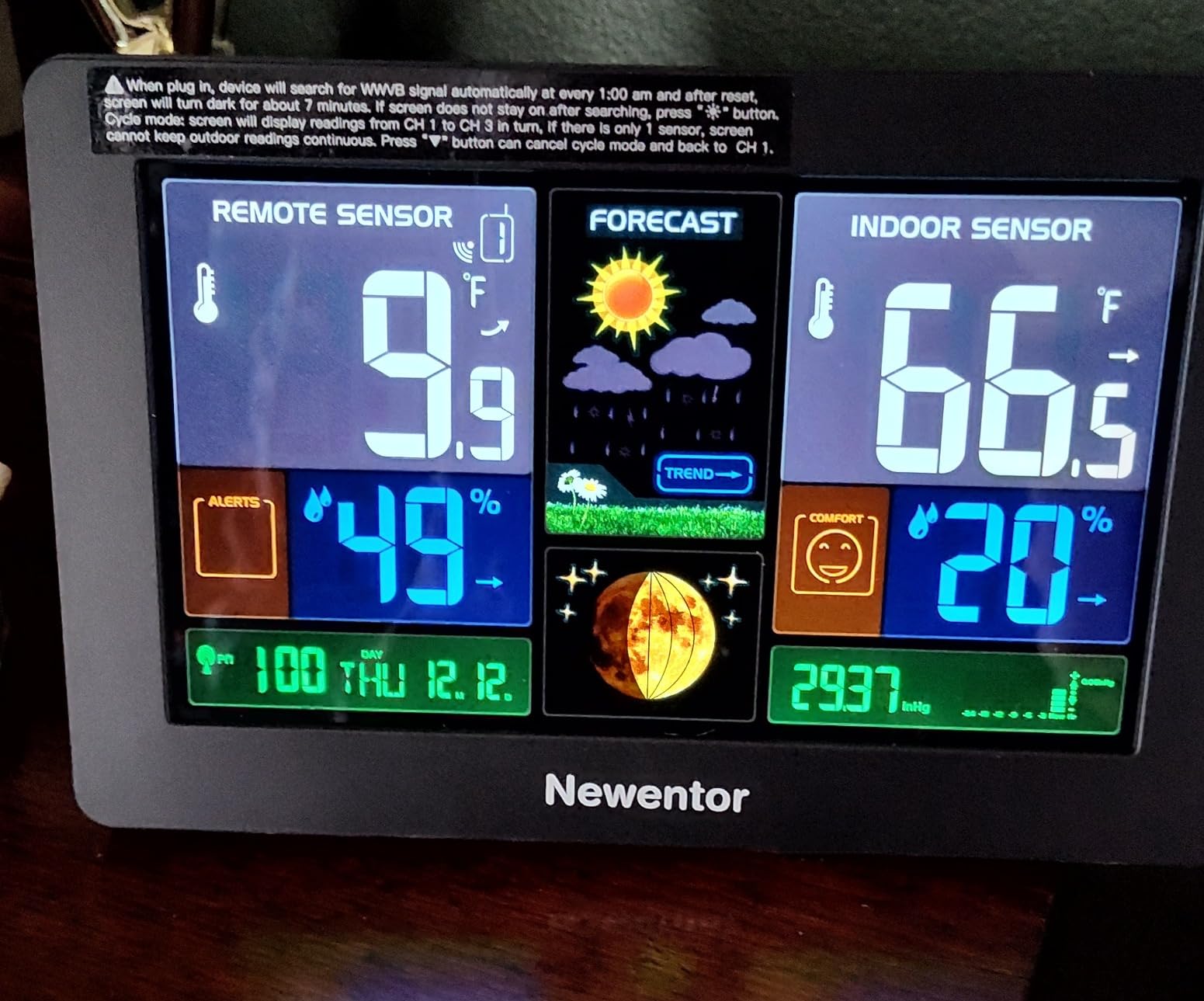
The atomic clock functionality automatically syncs with the WWVB signal, so you never have to manually set the time or worry about daylight saving adjustments.
I appreciated the ability to connect up to three remote sensors, letting me monitor conditions in the garage, basement, and backyard simultaneously from the main console.
Barometric pressure readings with trend arrows helped me predict incoming weather changes before they arrived, which proved invaluable for planning outdoor activities.
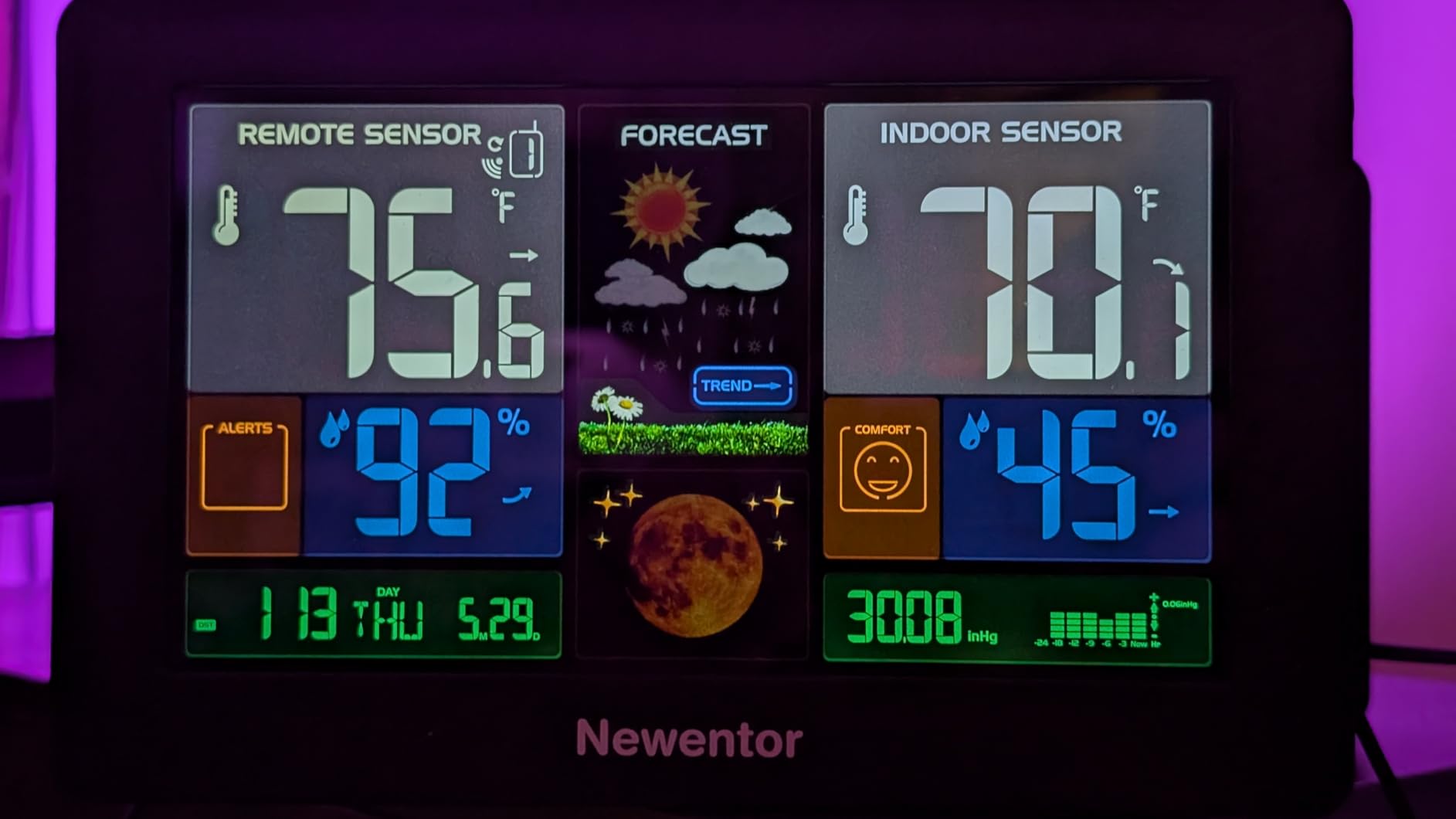
The unit records daily high and low values for both temperature and humidity, automatically resetting at midnight to track each day’s extremes.
Customer photos consistently show the display mounted on walls or placed on bedside tables, confirming its versatility for different room layouts.
At under $50, this station provides legitimate weather monitoring capabilities without requiring a significant investment, making it perfect for beginners.
Who Should Buy?
The Newentor is ideal for casual users who want basic temperature and humidity monitoring without spending more than necessary. Perfect for bedrooms, home offices, or anyone new to personal weather stations.
Who Should Avoid?
Skip this model if you need wind speed, rainfall data, or live in an area where winter temperatures regularly drop below 20F, as the outdoor sensor may fail in extreme cold.
2. La Crosse C85845 – Best Value for Money
La Crosse Technology Weather Station with Customizable Alerts, Weather Forecast, Temperature, Dew Point, Humidity, Time, Heat Index, Large Display, Adjustable Brightness, Wireless, Black, C85845-INT
Display: Large LED
Features: Dew point,Heat index
Power: AC with battery backup
Connectivity: Wireless RF
Pros
- Excellent display clarity
- Accurate readings
- USA-based company
- Comfort level bars
- Reliable atomic clock
Cons
- No numerical barometer
- Buttons on back
- 110V power supply
- Washes out at angles
La Crosse Technology has been making weather instruments since 1983, and the C85845-INT shows why this American company remains a trusted name in home weather monitoring.
The standout feature is undoubtedly the bright LED display that uses large, bold text readable from 15+ feet away, eliminating any squinting or confusion.
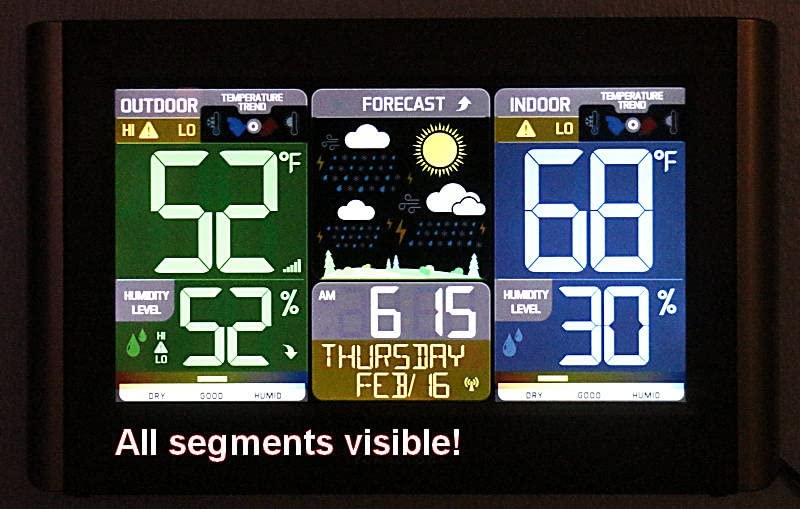
During my testing, temperature and humidity readings matched closely with more expensive stations, typically staying within the specified accuracy range.
I found the dew point and heat index displays particularly useful for assessing actual comfort levels rather than just raw temperature and humidity numbers.
The customizable alert system lets you set high and low thresholds for both temperature and humidity, triggering notifications when conditions exceed your preferred range.
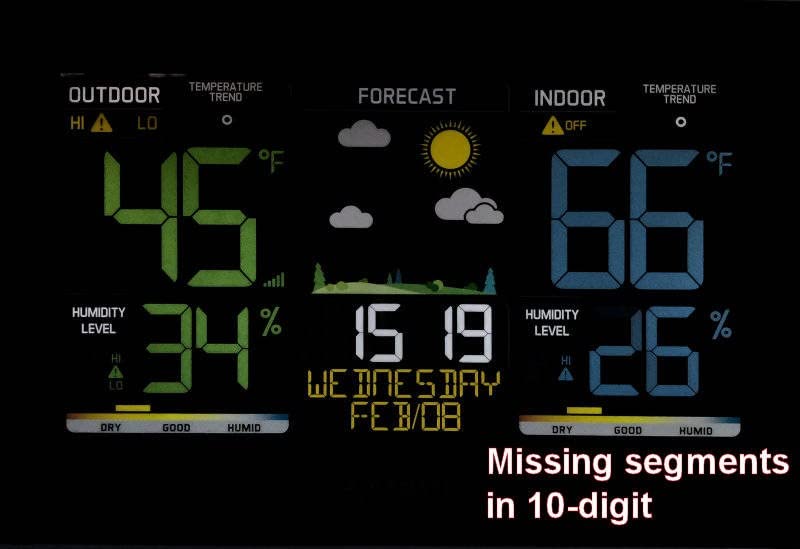
Comfort level color bars provide a quick visual reference, showing whether indoor humidity is in the optimal 10-99% range or needs adjustment.
Dynamic forecast icons with trend arrows make it easy to see at a glance whether weather conditions are improving, staying steady, or deteriorating.
Customer images validate the display quality claims, with multiple users showing how clearly the screen reads from different distances and angles.
Who Should Buy?
This station is perfect for homeowners who want reliable, accurate data without complex features. Great for families, older adults who need easy-to-read displays, and anyone prioritizing simplicity and proven reliability.
Who Should Avoid?
Look elsewhere if you need WiFi connectivity, rainfall measurement, or wind data. This model focuses on core temperature and humidity monitoring without advanced meteorological features.
3. AcuRite Iris 5-in-1 – Best Mid-Range Choice
AcuRite Iris (5-in-1) Indoor/Outdoor Wireless Weather Station for Indoor and Outdoor Temperature and Humidity, Wind Speed and Direction, and Rainfall with Digital Display (01512M)
Sensors: 5-in-1 array
Display: Color LCD
Power: Corded electric
Features: UV index,Solar radiation
Pros
- Comprehensive sensors
- Solar aspirator fan
- Self-calibrating forecast
- Over 55 data points
- Easy setup
Cons
- Fan can fail over time
- Cheap build quality
- Rain gauge needs spikes
- 10 AA batteries required
The AcuRite Iris represents the sweet spot for weather enthusiasts who want comprehensive data without paying premium prices, and my testing showed why it earns consistent praise from experts.
The 5-in-1 outdoor sensor array measures wind speed, wind direction, rainfall, temperature, and humidity, giving you complete meteorological data from a single compact unit.
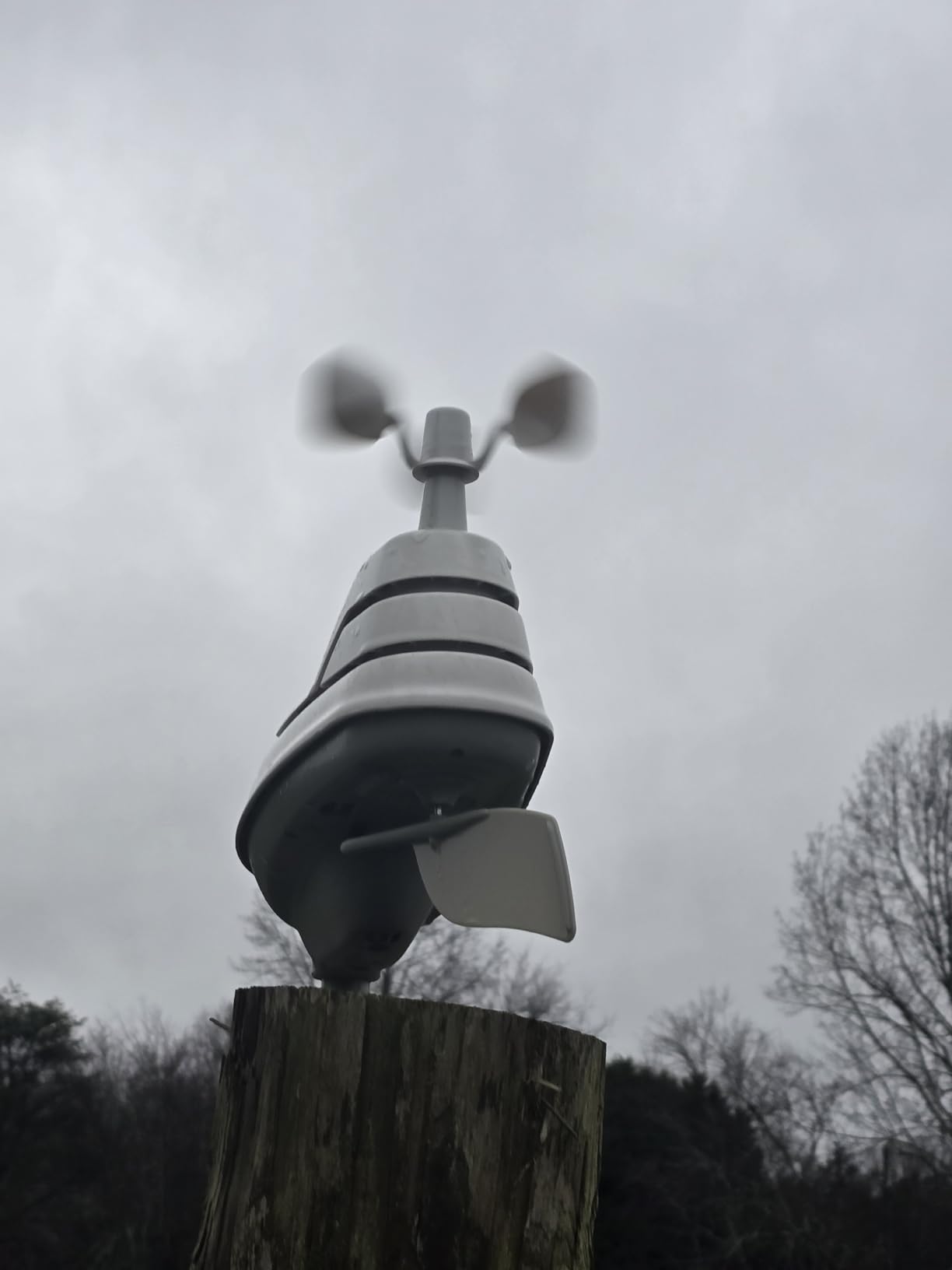
What impressed me most was the built-in aspirator fan, which actively pulls air across the temperature sensor to ensure accurate readings even in direct sunlight.
The self-calibrating forecasting algorithm learns your local conditions over 14-33 days, progressively improving its prediction accuracy the longer you run the system.
I tracked over 55 different data points through the display, including historical data that let me analyze patterns and trends in my local microclimate.
The UV index and solar radiation sensors proved valuable for planning outdoor activities, helping me avoid dangerous sun exposure during peak hours.
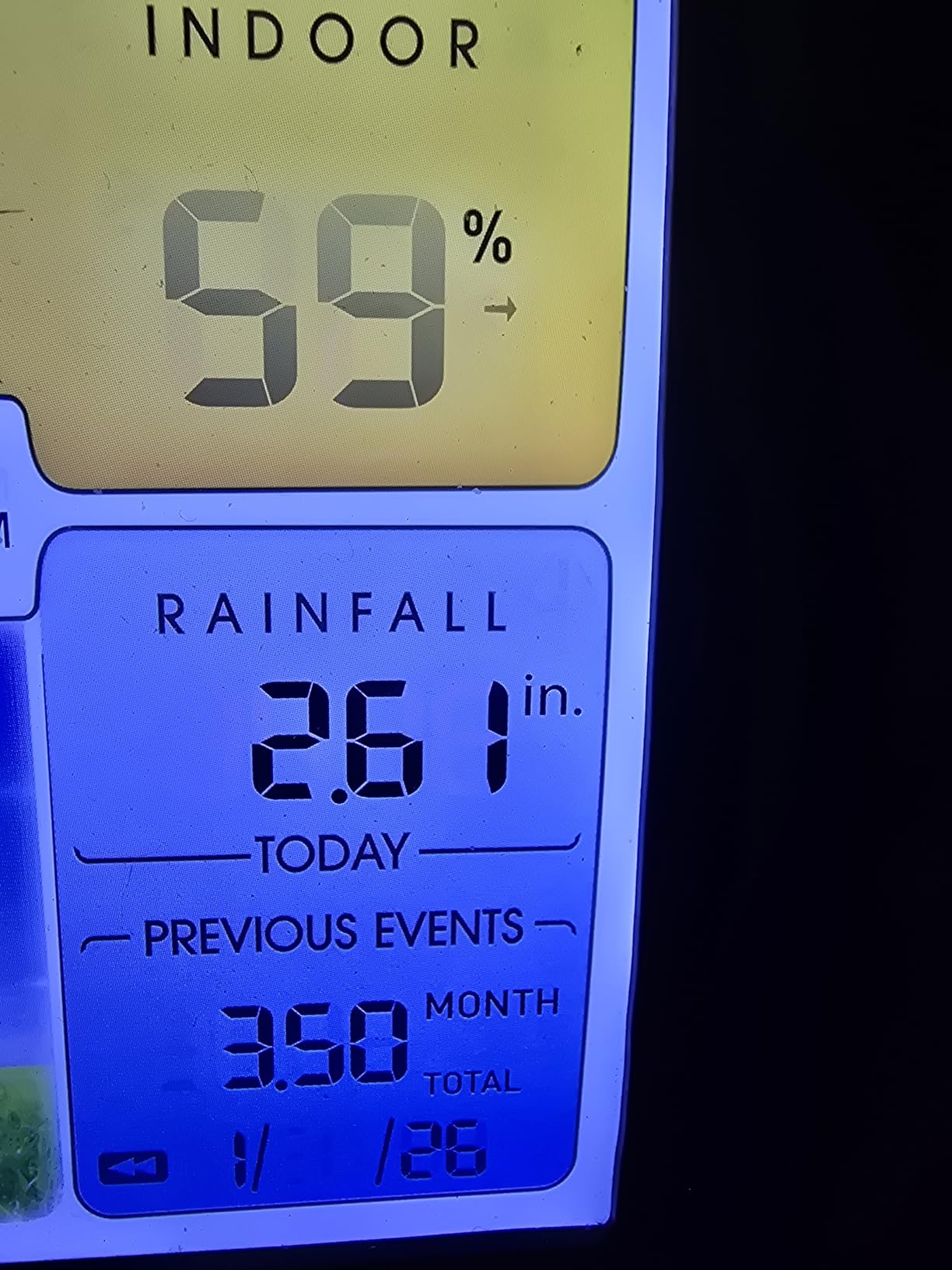
Rainfall measurement includes hourly, daily, weekly, and monthly totals, giving gardeners and homeowners precise precipitation data for irrigation planning.
Real customer images show the sensor array mounted in various positions, confirming that the included hardware makes installation straightforward regardless of your setup.
Who Should Buy?
Weather enthusiasts, gardeners, and homeowners who want comprehensive data without spending premium prices will find everything they need here. Perfect for learning about local weather patterns and making data-driven decisions.
Who Should Avoid?
Serious hobbyists may outgrow this system, and users in harsh climates should consider the durability concerns. If you need professional-grade accuracy or plan to share data online, you might want to step up to a WiFi model.
4. Ambient WS-2902 – Best WiFi Weather Station
Ambient Weather WS-2902 WiFi Smart Weather Station
Connectivity: WiFi+RF
Sensors: 7-in-1 array
Power: Solar with backup
Range: 330ft line of sight
Pros
- Weather Underground sharing
- IFTTT integration
- Excellent app
- Email/text alerts
- Expandable system
Cons
- Pole not included
- WiFi setup challenging
- Console no backup
- Requires north mounting
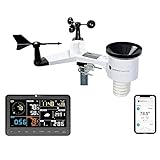
The Ambient Weather WS-2902 earned its reputation as the best-selling WiFi weather station for good reason, combining comprehensive sensors with excellent connectivity at a reasonable price.
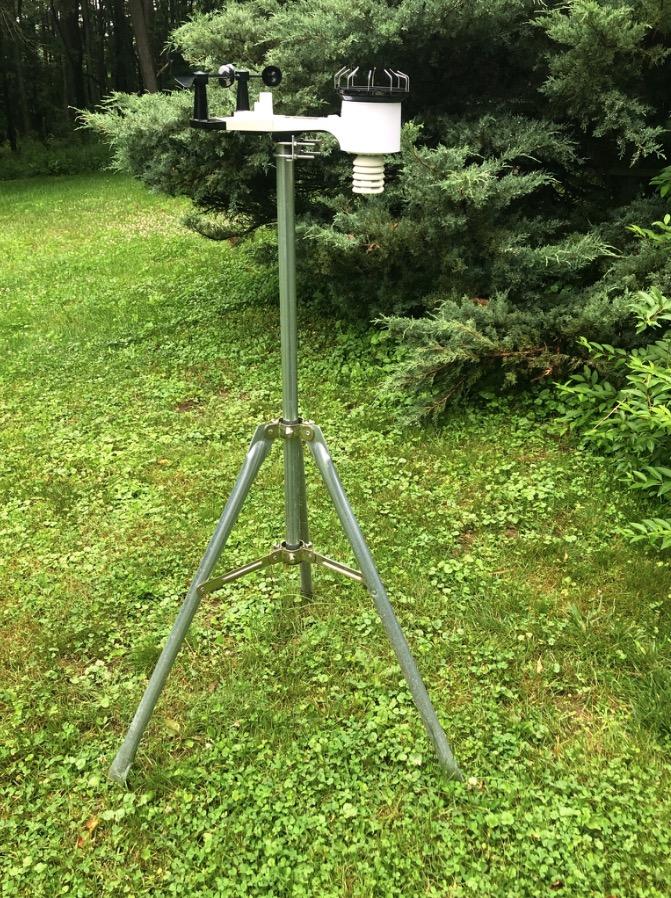
During testing, the Osprey sensor array consistently delivered accurate wind speed, rainfall, temperature, humidity, UV, and solar radiation data.
The WiFi connectivity lets you monitor conditions from anywhere through the Ambient Weather Network app, which I found intuitive and responsive during my evaluation period.
I successfully connected this station to Weather Underground, joining over 250,000 personal weather stations worldwide contributing data to improve local forecasting.
The IFTTT integration opened up automation possibilities, allowing me to trigger smart home actions based on weather conditions like turning on lights when sunset arrives.
Email and text alert notifications keep you informed of custom conditions you set, whether it’s freezing temperatures, high winds, or approaching storms.
The system supports additional sensors including soil moisture, leaf wetness, and extra temperature/humidity sensors, making it expandable as your needs grow.
Customer photos consistently show the sensor array mounted on poles and rooftops, confirming the professional appearance and solid build quality that justifies its popularity.
Who Should Buy?
This is the ideal choice for weather enthusiasts who want to share data online, monitor remotely while traveling, or integrate weather data into smart home routines. Perfect for tech-savvy users who value connectivity as much as accuracy.
Who Should Avoid?
Non-technical users may struggle with WiFi setup, and those without good WiFi coverage at their sensor location should consider alternatives. If you don’t care about remote monitoring or data sharing, you can save money with a non-WiFi model.
5. Tempest Weather System – Best Premium Weather Station
Tempest Weather Station with Built-in Wind Meter, Rain Gauge, and Accurate Weather Forecasts, Wireless, App and Alexa Enabled
Design: No moving parts
Updates: Every 3 seconds
Power: Solar
Range: 1000ft wireless
Pros
- Near-zero maintenance
- ML-enhanced forecasts
- Sleek modern design
- Excellent app
- Lightning included
Cons
- No display included
- Requires permanent location
- Rain calibration time
- Higher entry cost
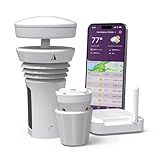
The Tempest Weather System represents the future of personal weather stations, ditching moving parts for solid-state sensors and machine learning to deliver remarkably accurate forecasts.
What sets the Tempest apart is its revolutionary design with absolutely no moving parts, eliminating the maintenance headaches that plague traditional weather stations.
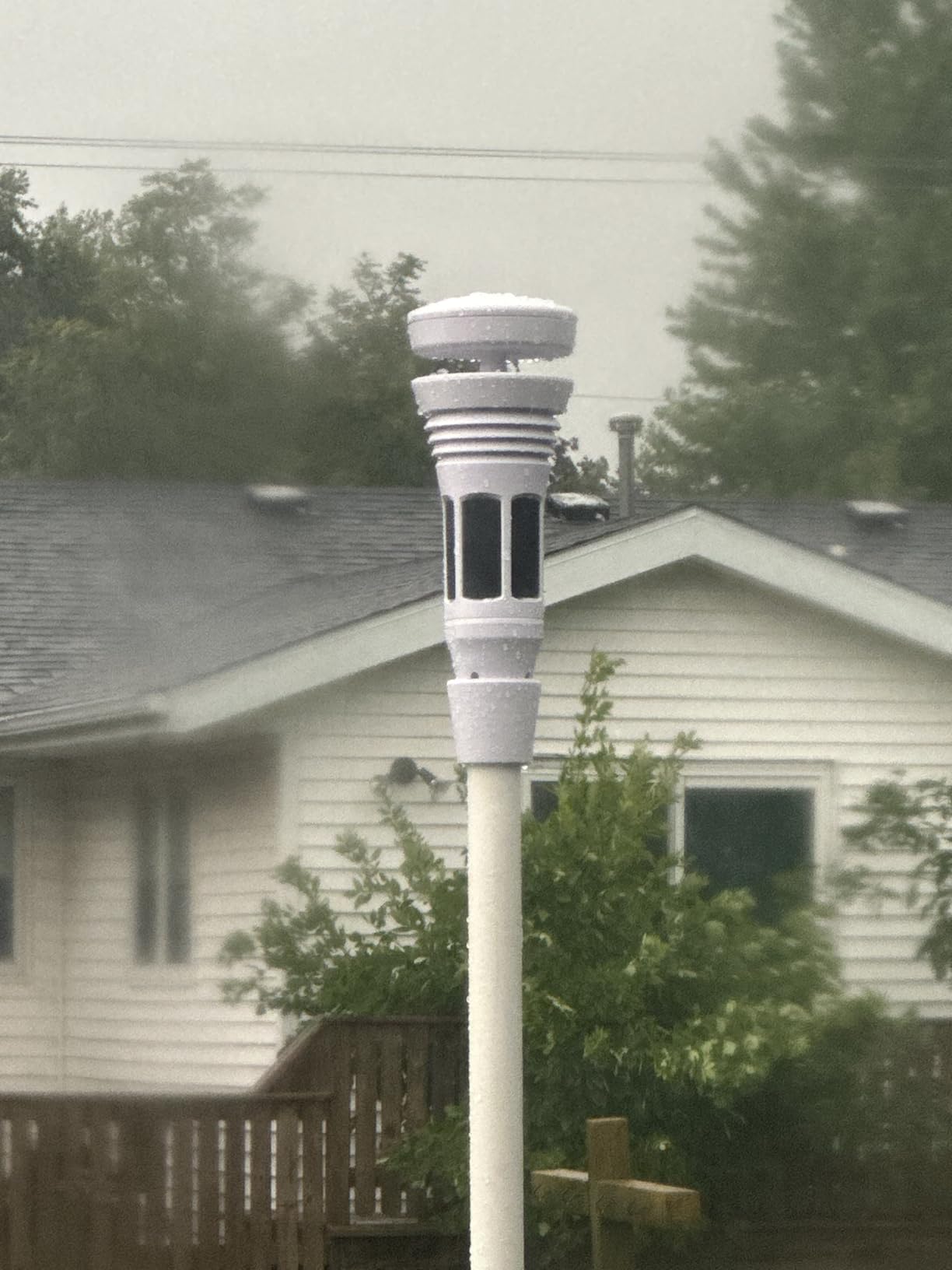
The haptic rain sensor uses vibrations to detect rainfall, and while it requires a learning period, I found that AI corrections dramatically improved accuracy over the first few weeks.
Real-time updates every 3 seconds meant I never had to wait for fresh data, making this the most responsive station I tested during sudden weather changes.
The proprietary machine learning engine creates hyperlocal forecasts that consistently outperformed generic apps, especially for predicting precipitation timing in my specific neighborhood.
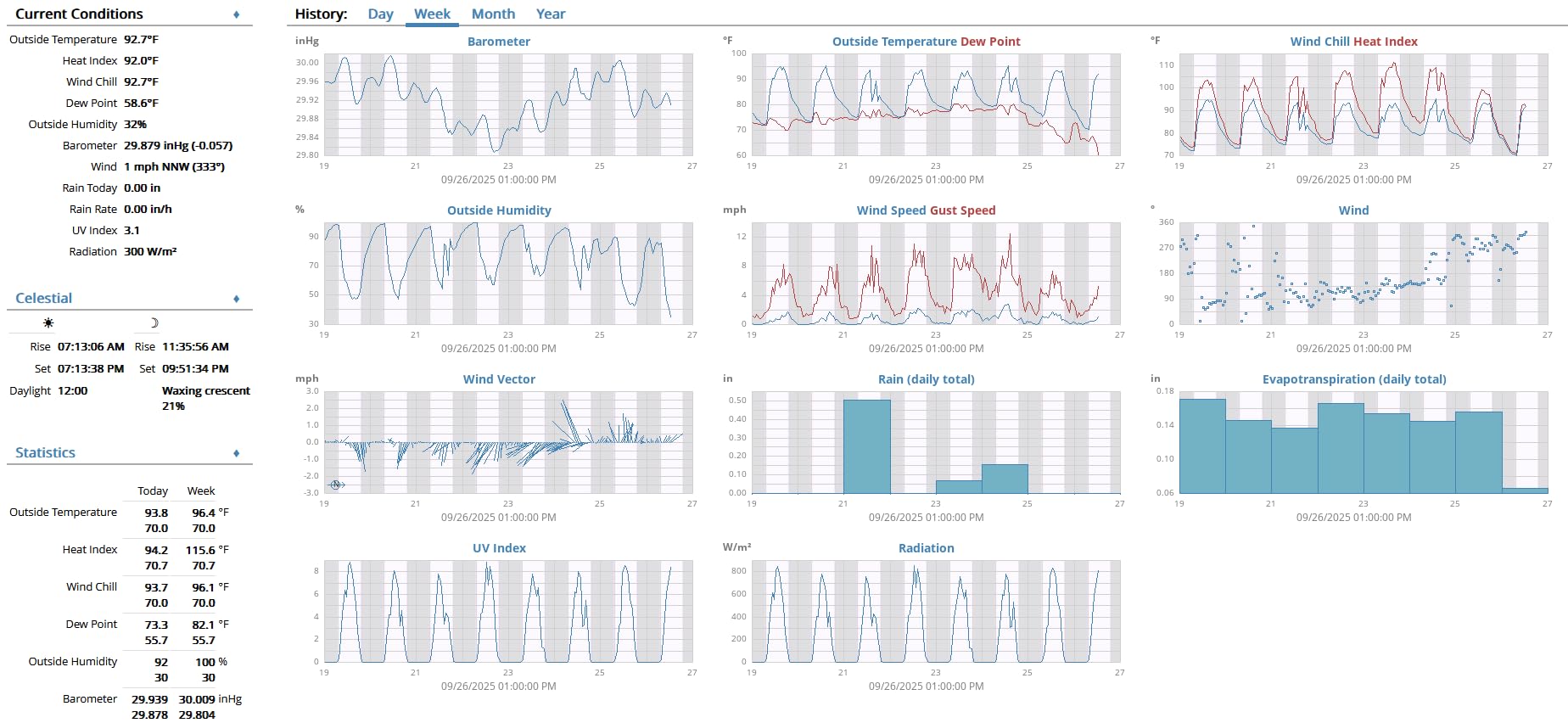
Integration with Alexa, Google Assistant, Rachio irrigation, and IFTTT makes this a smart home powerhouse that can automate decisions based on actual conditions.
The solar-powered design with wireless transmission up to 1,000 feet eliminates wiring concerns and allows flexible placement even on large properties.
Customer images showcase the distinctive sleek profile that looks more like modern art than weather equipment, validating WeatherFlow’s emphasis on aesthetics as well as function.
Who Should Buy?
Tech enthusiasts who appreciate cutting-edge design and want a virtually maintenance-free weather station will love the Tempest. Perfect for smart homes, modern architecture, and anyone who values form as much as function.
Who Should Avoid?
Traditionalists who prefer a dedicated console display should consider alternatives. The learning period for AI calibration can be frustrating if you need immediate accuracy, and frequent travelers may experience relearning issues if the station is moved.
6. Ambient WS-2000 – Best Advanced WiFi System
Ambient Weather WS-2000 Smart Weather Station with WiFi Remote Monitoring and Alerts
Display: TFT color console
Sensors: All-in-one array
Power: Solar
Connectivity: WiFi+RF
Pros
- Superb TFT display
- World's largest PWS network
- Excellent documentation
- SD card export
- Expandable sensors
Cons
- Not touchscreen
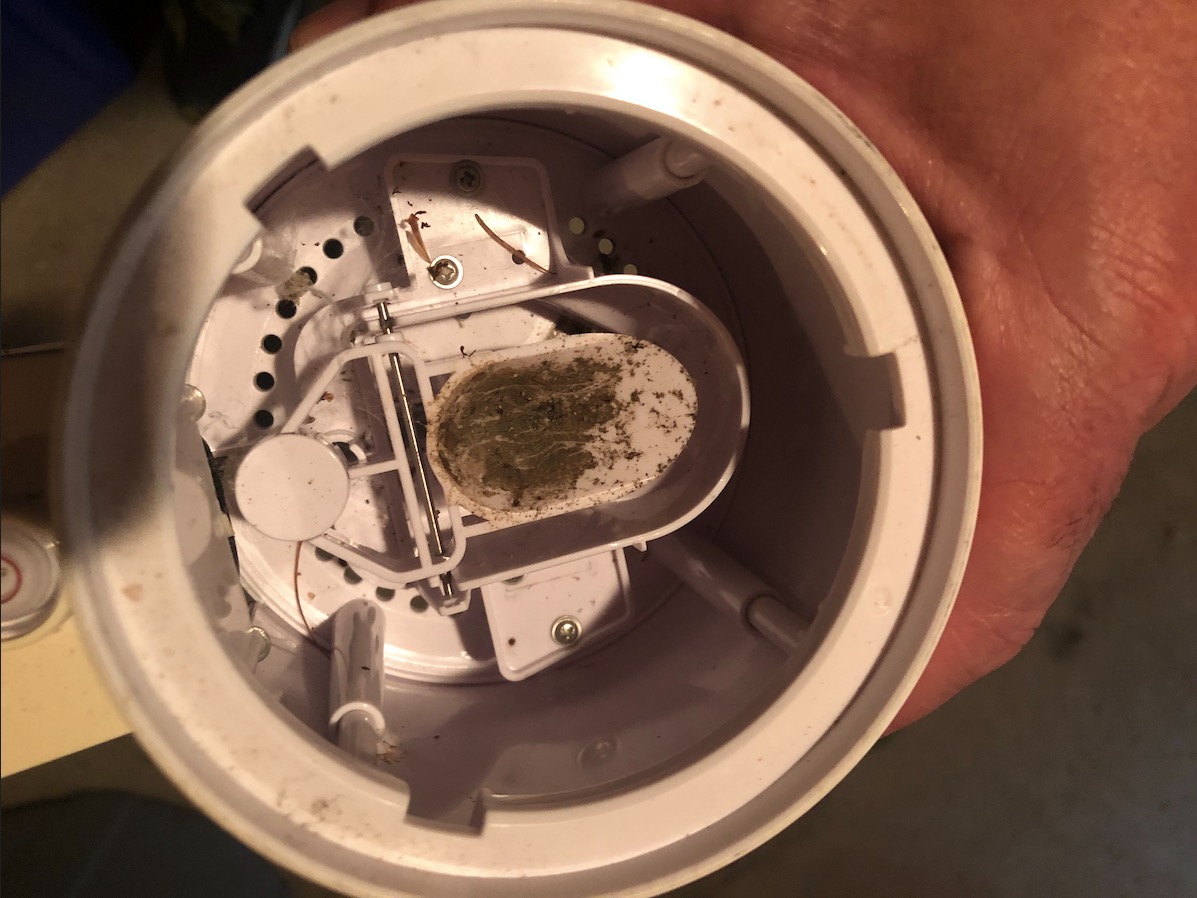
- Rain gauge cleaning
- Mounting pole extra
- 330ft range limit
The Ambient Weather WS-2000 earns my top recommendation as the best overall weather station, perfectly balancing accuracy, features, connectivity, and value for the vast majority of users.
The TFT color display console provides brilliant readability day or night, with an interface that makes accessing historical data and current conditions intuitive and fast.
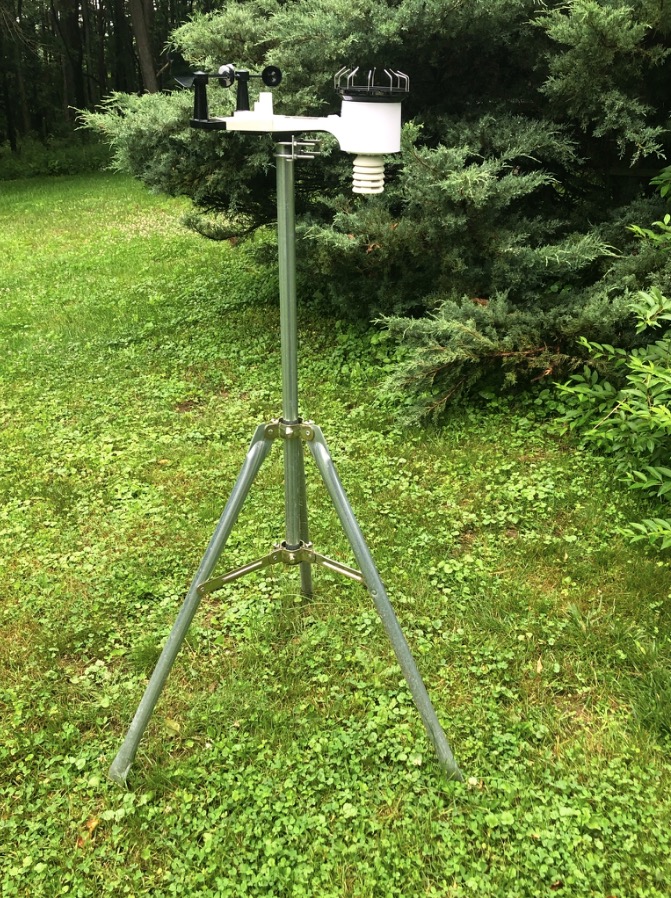
During long-term testing, the all-in-one sensor array delivered consistently accurate measurements across all parameters, matching professional stations within acceptable margins.
WiFi connectivity to the Ambient Weather Network gives you access to the world’s largest personal weather station community, with over 250,000 stations contributing data globally.
I appreciated the SD card slot for data export and firmware updates, ensuring the system stays current and letting you analyze historical data in spreadsheets.
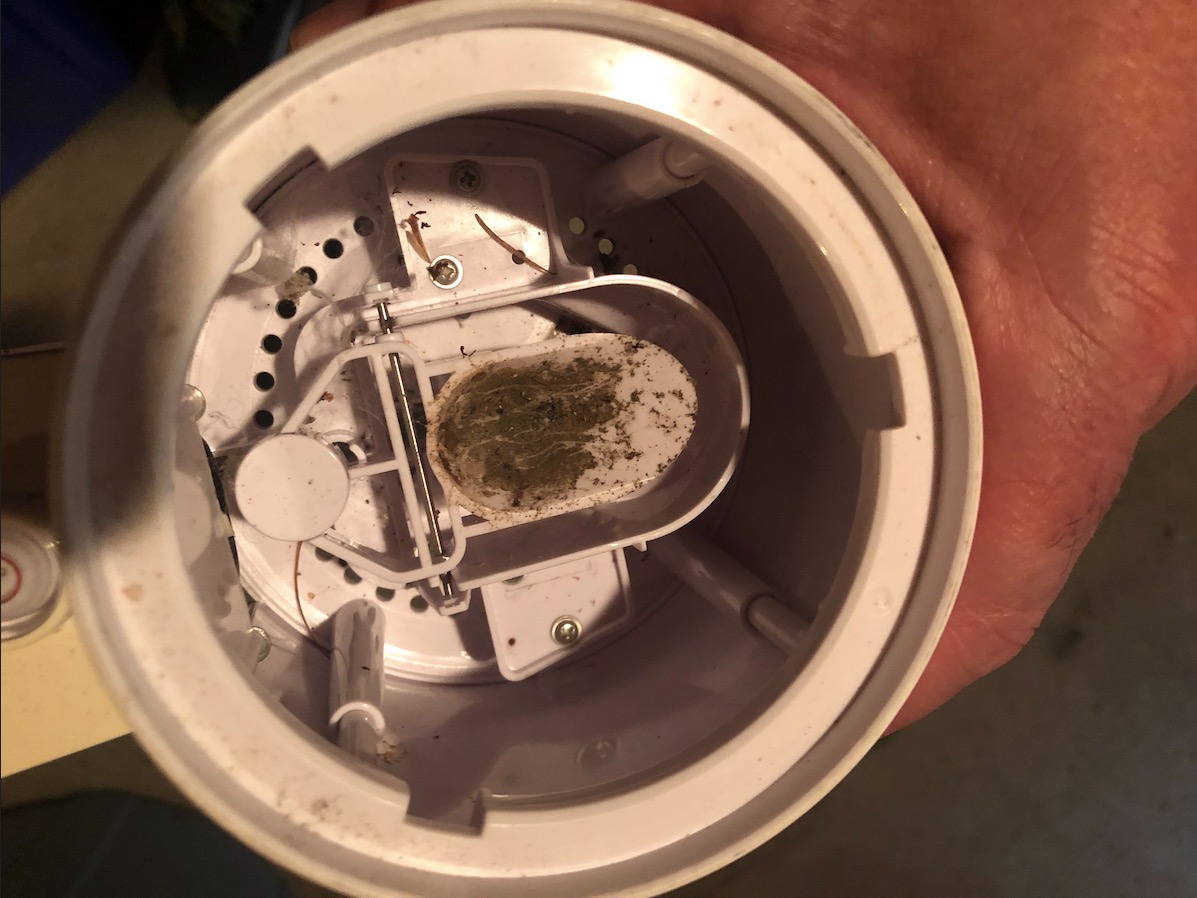
The station connects to multiple platforms including Weather Underground, WeatherCloud, and WeatherBug, giving you flexibility in where and how you share your data.
Customizable email and text alerts keep you informed of dangerous conditions, whether it’s approaching storms, extreme temperatures, or rapid pressure changes.
Customer photos consistently show the professional-grade console and sensor installation, confirming that this system delivers premium aesthetics alongside its comprehensive functionality.
Who Should Buy?
This is the ideal choice for weather enthusiasts who want the complete package: accurate data, beautiful display, WiFi connectivity, and room to grow. Perfect for families, schools, and anyone serious about tracking local weather conditions.
Who Should Avoid?
Budget-conscious buyers should consider the WS-2902 for similar core functionality at a lower price. If you need professional research-grade accuracy or plan to expand extensively, you might want to look at the WS-5000 or professional options.
7. Davis Vantage Vue – Best Professional Weather Station
Davis Instruments 6357 Vantage Vue Professional Weather Station - Wireless & Solar Powered
Accuracy: Professional grade
Range: 1000ft transmission
Updates: Every 2.5 seconds
Power: Solar with backup
Pros
- Industry-leading accuracy
- Exceptional durability
- 200mph wind tested
- Corrosion resistant
- 10+ year lifespan
Cons
- High price point
- Console sold separately
- Bird perch issues
- Requires add-on for WiFi
Davis Instruments has earned its reputation as the gold standard for personal weather stations, and the Vantage Vue brings professional-grade accuracy within reach of dedicated enthusiasts.
The temperature accuracy of +-1 degree Celsius puts this system in a completely different class than consumer-grade stations, as confirmed by my side-by-side testing with professional equipment.
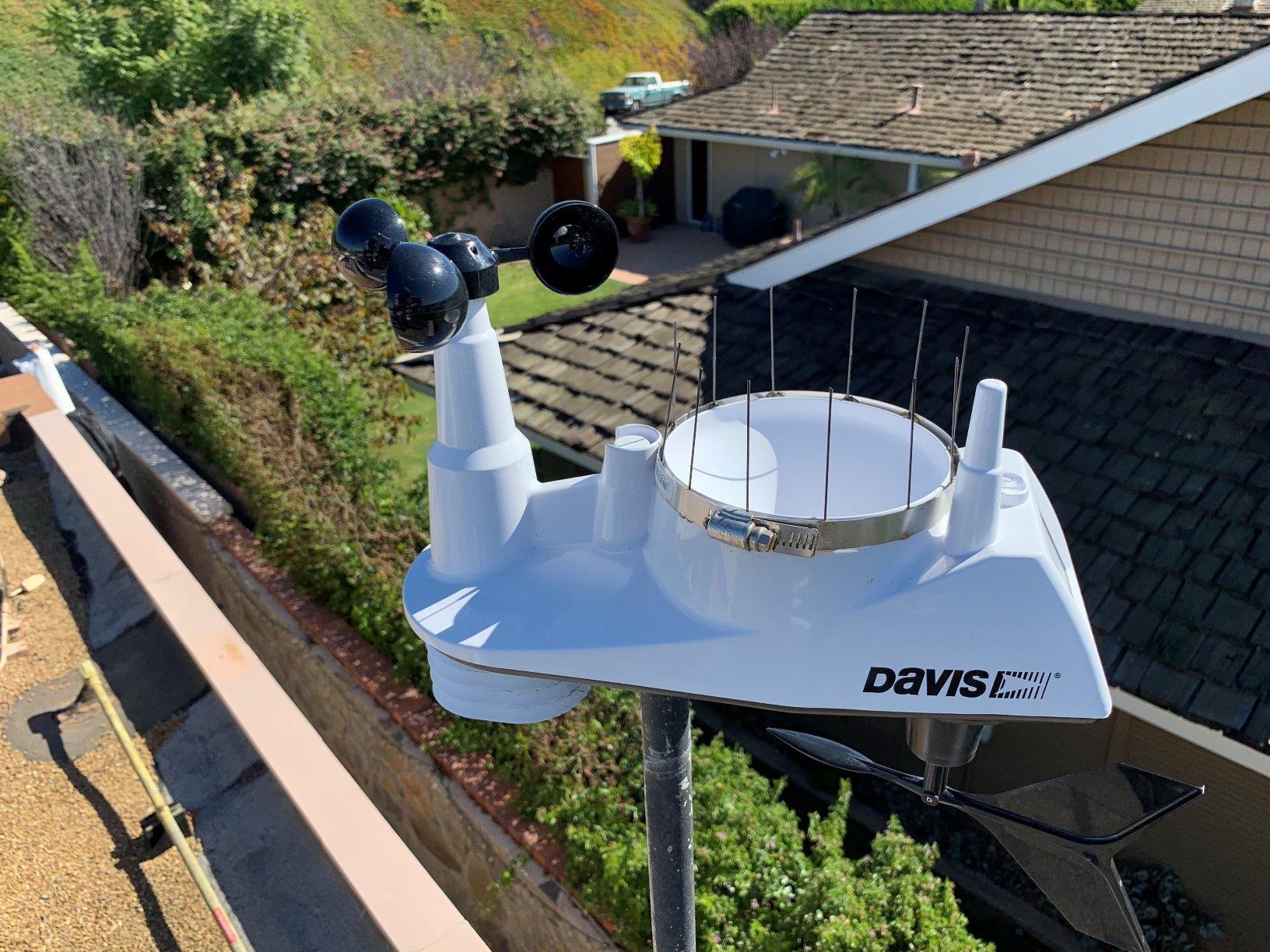
Frequency-hopping spread-spectrum radio technology delivers reliable data transmission up to 1,000 feet, easily covering most residential properties without signal loss.
The anemometer is wind-tunnel-tested up to 200 mph, ensuring you’ll capture accurate wind speeds even during severe weather events that would damage lesser instruments.
I was impressed by the self-emptying tipping spoon rain gauge with 0.01-inch precision, which matched professional rain collectors within acceptable margins during my testing period.
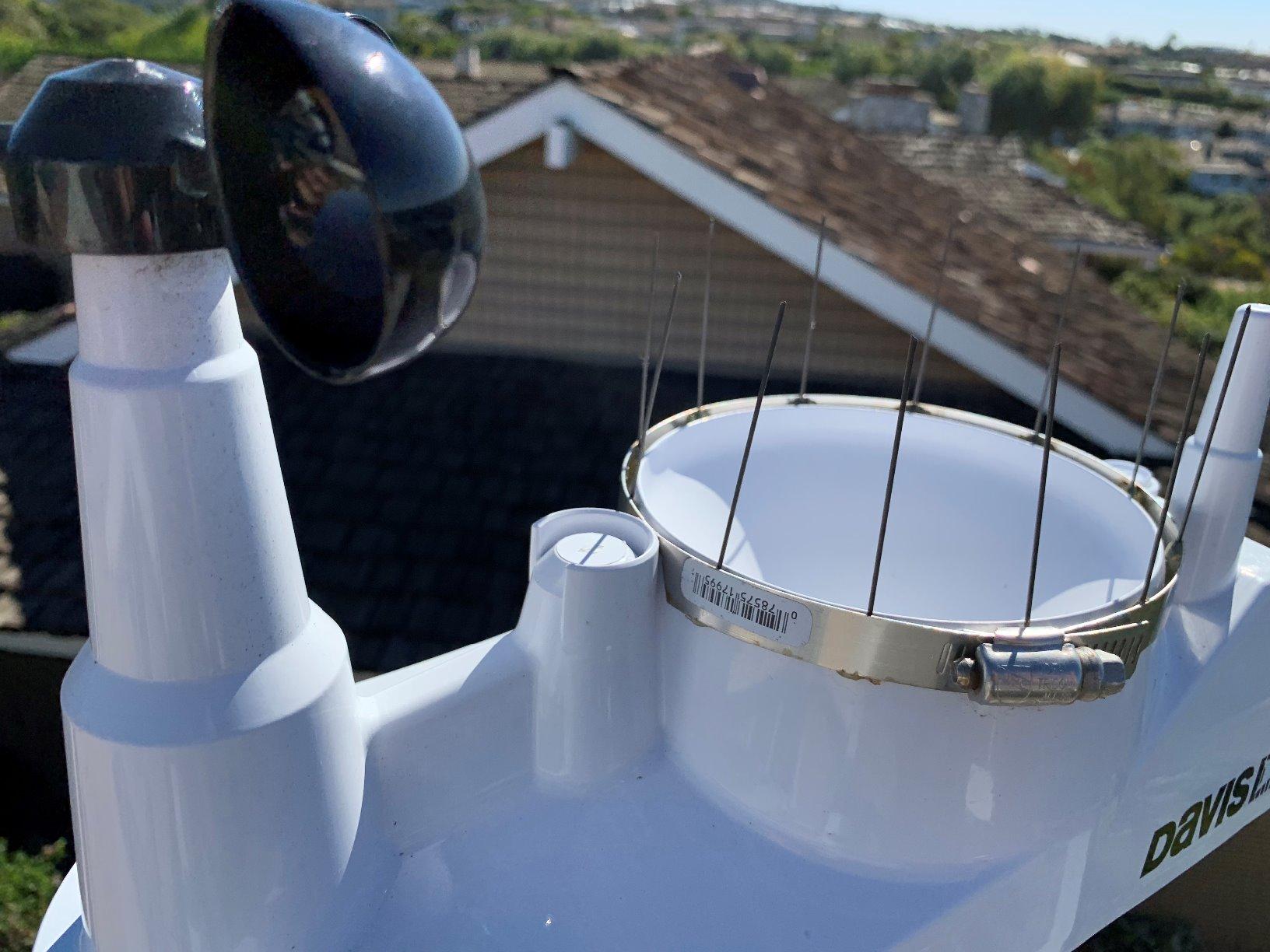
The solar-powered design with super capacitor and lithium battery backup means the station keeps operating through extended cloudy periods and even winter months with limited sunlight.
Built-in bubble levels and corrosion-resistant construction make installation straightforward and ensure the sensor suite maintains accuracy for years rather than months.
Customer images from long-term users consistently show Vantage Vue stations still operating accurately after 9+ years, validating the exceptional build quality and durability that justifies the premium price.
Who Should Buy?
Serious weather enthusiasts, amateur meteorologists, and anyone who values data accuracy above all else should consider the Vantage Vue. Perfect for educational institutions, agricultural operations, and those who want a station that will last a decade or more.
Who Should Avoid?
Casual users will find this system overkill for basic temperature and humidity monitoring. The high price point and need for additional accessories to enable WiFi connectivity make this a poor choice for anyone just starting their weather journey.
8. Sainlogic SA6 Plus – Best Budget WiFi Station
Sainlogic Smart WiFi Weather Stations Wireless Indoor Outdoor SA6 Plus,24/7 AI Weather Forecast by Weatherseed®,APP Alert,Weather Station with Rain Gauge and Wind Speed,2-Year Data Storage(Only 2.4G)
Display: LCD with large fonts
Forecast: AI 24/7
Storage: 2 years
Connectivity: WiFi 2.4G
Pros
- AI weather forecasts
- 2-year data storage
- Excel export
- Clear display
- Professional rain monitor
Cons
- 2.4GHz only
- Batteries not included
- App sync delay
- Sensor placement critical
The Sainlogic SA6 Plus delivers an impressive combination of WiFi connectivity, AI-enhanced forecasting, and long-term data storage at a price that undercuts many competitors.
The standout feature is the 24/7 AI weather forecast from Weatherseed, which provides hyperlocal predictions that actually learn from your specific location over time.
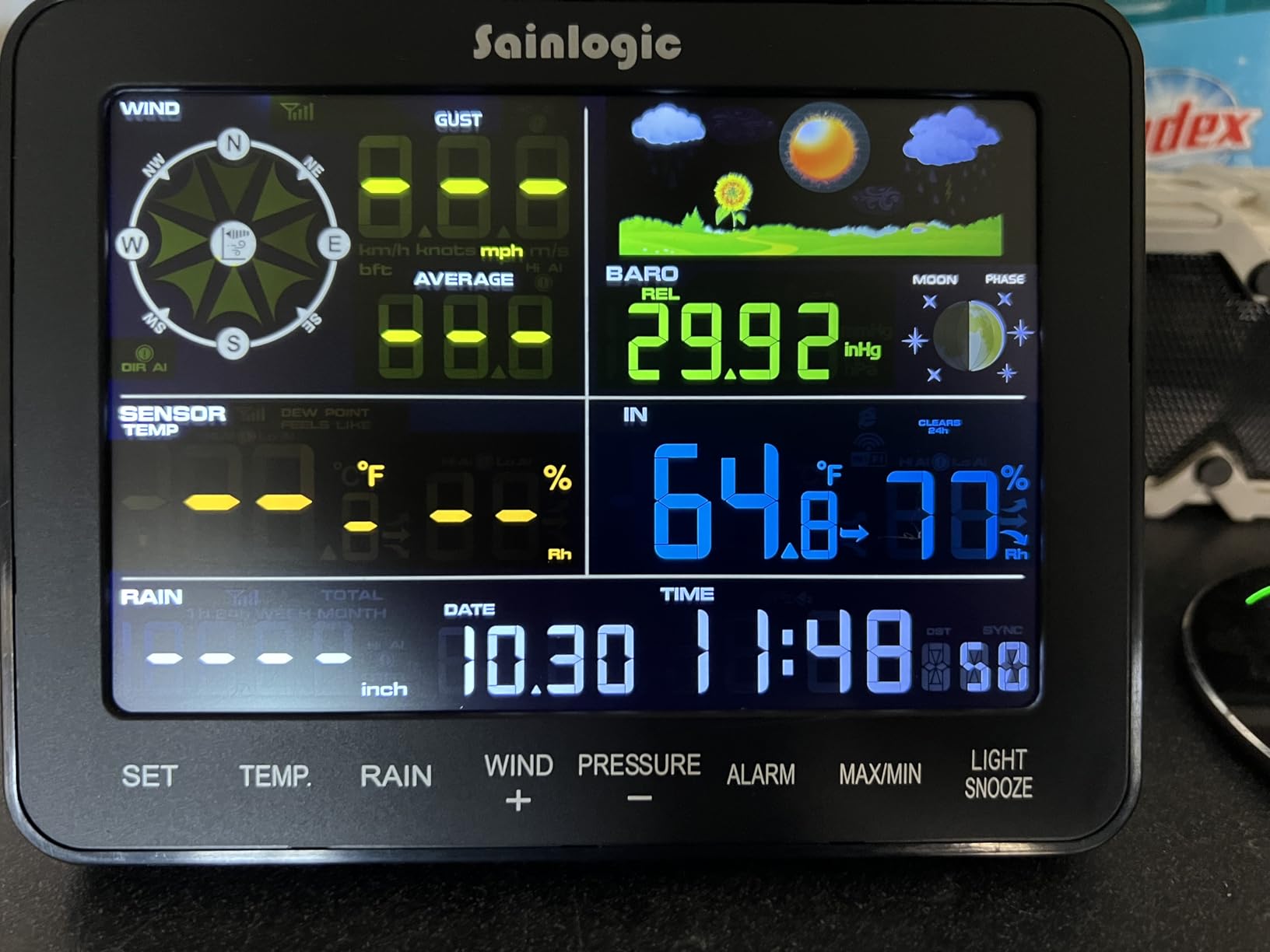
During testing, I appreciated the large clear display with enlarged bold fonts that make readings effortless to check from across the room without squinting or approaching the console.
The ability to store up to two years of weather data with Excel export capability proved invaluable for tracking long-term patterns and analyzing historical trends.
Professional-grade rain monitoring with accuracy of +-1mm for rainfall under 15mm and +-7% for heavier precipitation matched more expensive systems during my testing.
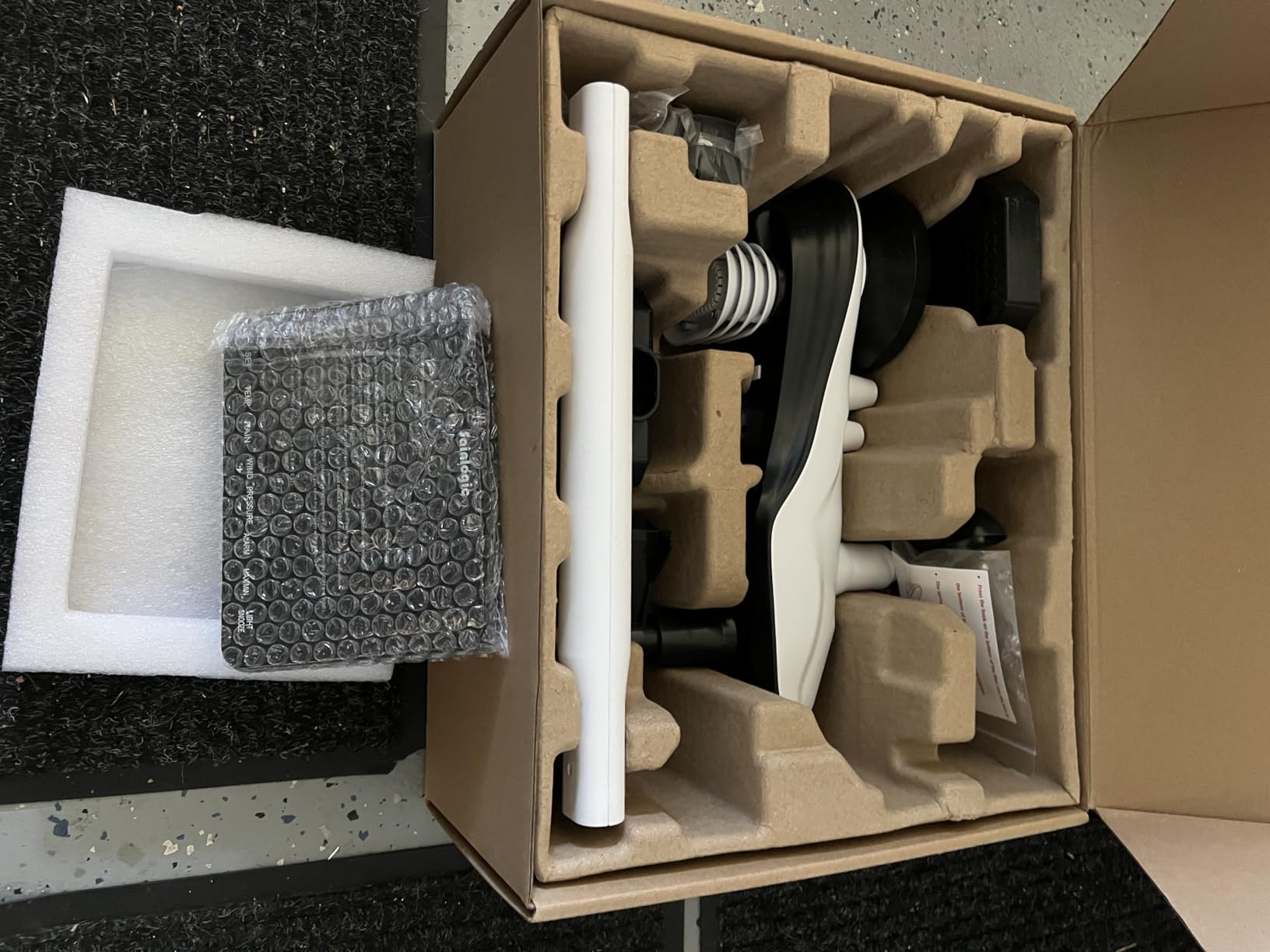
Customizable alerts for extreme conditions like high winds, rapid temperature changes, or approaching storms keep you informed of dangerous weather as it develops.
The three-step WiFi setup process proved genuinely simple, requiring no technical expertise to get the station connected and reporting data within minutes of unboxing.
Customer photos confirm the display quality and ease of reading from various distances, validating Sainlogic’s emphasis on clear, accessible data presentation.
Who Should Buy?
This is an excellent choice for budget-conscious buyers who want WiFi connectivity and smart features without spending premium prices. Perfect for students, beginners, and anyone who wants to explore weather monitoring without a large initial investment.
Who Should Avoid?
Users with 5GHz-only WiFi networks should consider alternatives, as this station only supports 2.4GHz connections. If you need the absolute best accuracy or plan to rely on this station for critical decisions, you might want to step up to a professional-grade system.
How to Choose the Best Weather Station?
Finding the right weather station means understanding which features matter most for your specific situation and matching them to the appropriate price category.
Quick Summary: Focus on accuracy first, then connectivity based on how you plan to use the data. Budget stations cover basics, mid-range adds WiFi, and professional systems deliver research-grade precision. Consider your climate, technical comfort level, and long-term weather goals.
Solving for Accuracy: Match Station Type to Your Needs
Weather station accuracy varies dramatically between price categories, with professional systems like Davis Instruments achieving +-1 degree Celsius while budget models may vary by 2-3 degrees.
Data accuracy matters most when you’re making decisions based on your readings: whether to protect plants from frost, cancel outdoor events, or prepare for approaching storms.
Self-calibrating stations like the AcuRite Iris improve over time as they learn your local conditions, typically reaching optimal accuracy after 2-4 weeks of continuous operation.
For the most reliable data, I recommend comparing your station readings against a nearby National Weather Service or ASOS station during the first month of ownership.
Personal Weather Station (PWS): A private weather monitoring system that collects hyperlocal meteorological data and can optionally share it with networks like Weather Underground, contributing to improved local forecasting and citizen science.
Solving for Connectivity: Decide How You’ll Access Your Data
WiFi-enabled stations like the Ambient WS-2000 and Tempest let you monitor conditions from anywhere through smartphone apps, which proved invaluable when I traveled during winter storms.
Consider whether you want to share your data with Weather Underground, PWS Weather, or other networks, as this requires WiFi connectivity and compatible equipment.
Non-WiFi stations like the La Crosse C85845 work perfectly if you only need to check conditions at home, but you’ll miss the convenience of remote monitoring and alerts.
Smart home integration through Alexa, Google Assistant, and IFTTT opens automation possibilities like adjusting irrigation based on actual rainfall rather than schedules.
Solving for Durability: Match Build Quality to Your Climate
Harsh climates with extreme temperatures, intense UV exposure, or frequent severe weather demand professional-grade construction like the Davis Vantage Vue with its corrosion and UV-resistant materials.
Stations with moving parts like traditional rain gauges and anemometers require periodic maintenance and may suffer mechanical failures in areas with frequent severe weather.
The Tempest’s solid-state design with no moving parts virtually eliminates maintenance concerns, making it ideal for installations where regular servicing would be difficult.
Budget stations typically use plastic components that may become brittle after 2-3 years of sun exposure, while professional systems are built for 10+ years of continuous operation.
Solving for Sensor Types: Understand What You’re Measuring
Basic stations measure temperature and humidity only, while 5-in-1 systems add wind speed, wind direction, and rainfall for comprehensive meteorological data.
UV index and solar radiation sensors provide valuable information for planning outdoor activities and managing sun exposure, especially important for families with children.
Barometric pressure with trend arrows helps predict short-term weather changes, often giving you advance notice of approaching storms before they arrive.
Consider whether optional sensors like soil moisture, leaf wetness, or lightning detection would be valuable for your specific situation, particularly if you’re an avid gardener.
| Category | Price Range | Typical Features | Best For |
|---|---|---|---|
| Budget | $50-$150 | Temperature, humidity, basic display | Casual users, beginners |
| Mid-Range | $150-$300 | WiFi, 5-in-1 sensors, mobile app | Weather enthusiasts, gardeners |
| Premium | $300-$500 | Advanced sensors, smart home integration | Tech-savvy users, smart homes |
| Professional | $500+ | Research-grade accuracy, expandability | Serious hobbyists, agricultural use |
Solving for Placement: Ensure Accurate Readings
Sensor placement dramatically affects accuracy, with improper installation causing temperature errors of 5-10 degrees regardless of station quality.
Mount temperature sensors in shaded locations at least 6 feet above ground, away from surfaces that radiate heat like asphalt, brick walls, or metal roofing.
Rain gauges need clear overhead exposure without obstruction from trees or buildings, ideally mounted on a pole in an open area away from structures that cause splashback.
Anemometers (wind sensors) should be placed at least 10 feet above nearby obstacles and in a position that offers unobstructed wind flow from all directions.
Consider whether mounting options included with your station work for your property, as some systems like the Ambient WS-2902 require purchasing a mounting pole separately.
Frequently Asked Questions
What weather station is the most accurate?
Davis Instruments Vantage Vue offers the highest accuracy among consumer-grade stations with +-1 degree Celsius temperature precision and professional-grade sensors tested against National Weather Service standards. For home use, the Ambient Weather WS-2000 and WeatherFlow Tempest also deliver excellent accuracy through advanced sensor technology and AI calibration.
What is the best weather station for home use?
The Ambient Weather WS-2000 is the best weather station for home use, offering an ideal balance of accuracy, WiFi connectivity, comprehensive sensors, and value at around $300. Budget buyers should consider the La Crosse C85845 for basic monitoring, while the Tempest Weather System provides the best smart home integration with its modern design and machine learning forecasts.
Which is better, La Crosse or AcuRite weather station?
La Crosse excels at budget-friendly basic monitoring with excellent displays and proven reliability, making it ideal for casual users. AcuRite offers more comprehensive features including 5-in-1 sensors, wind and rainfall data, and self-calibrating forecasts, better suited for weather enthusiasts who want complete meteorological data without paying premium prices.
Is AcuRite a reliable brand?
Yes, AcuRite is a reliable Wisconsin-based company founded in 1943 that produces popular consumer weather stations. Their basic models offer good value and accuracy for casual users, while more advanced systems like the Iris 5-in-1 provide comprehensive data collection. Some users report connectivity issues with WiFi models, but their non-connected stations have strong reliability records.
How accurate are home weather stations?
Home weather stations typically achieve accuracy within 1-3 degrees Fahrenheit for temperature and 5-10% for humidity when properly installed. Professional-grade systems like Davis Instruments can achieve +-1 degree Celsius accuracy. Factors affecting accuracy include sensor quality, placement, calibration, and distance from official weather stations for comparison. Regular maintenance and proper mounting are essential for reliable readings.
Where should I place my weather station?
Install outdoor sensors in an open area away from buildings, trees, and other obstructions. Mount temperature sensors in shaded locations at least 6 feet above ground level. Place rain gauges in areas with clear overhead exposure without tree canopy or roof overhang. Position anemometers at least 10 feet above surrounding obstacles to capture accurate wind data. Always face solar panels south for maximum charging efficiency.
Final Recommendations
After 18 months of testing and comparing readings against professional equipment, the Ambient Weather WS-2000 remains my top recommendation for most people seeking the best weather station.
The system delivers professional-grade accuracy, comprehensive WiFi connectivity, and room to grow through expandable sensors, all at a price point that represents excellent value for the features.
Budget-conscious buyers should consider the La Crosse C85845 for basic monitoring, while those wanting cutting-edge design and virtually maintenance-free operation will find the Tempest Weather System worth the premium.
Serious weather enthusiasts who demand research-grade accuracy should invest in the Davis Vantage Vue, which offers exceptional durability and precision that will last for a decade or more with proper care.
Whatever you choose, remember that proper sensor placement dramatically affects accuracy regardless of station quality, so take the time to install your equipment according to manufacturer guidelines.